‘Our border is closed’: inside Trump’s push for zero migrants — and the tunnels defying it

Editor’s note: This story was co-published with Puente News Collaborative, a bilingual nonprofit newsroom, convener and funder dedicated to high-quality, fact-based news and information from the U.S.-Mexico border.
By Steve Fisher
MEXICO CITY – When the Trump administration announced this summer that illegal crossings into the U.S. from Mexico had reached historically low levels, Department of Homeland Security Secretary Markwayne Mullin declared, "Our border is CLOSED to lawbreakers."
Even so, the administration is continuing to pressure Mexico and U.S. officials serving there — both publicly and behind the scenes — to curb illegal immigration further. The crackdown has prompted smugglers to become more creative, turning more to tunnels once reserved for transporting drugs.
In recent months, Stephen Miller, the main architect of President Trump's immigration policies, has been in near daily communication with senior U.S. law enforcement officials, including US ambassador to Mexico, Ronald Johnson, looking for new ways to stop migrants from entering the United States, according to people familiar with the conversations.
An average of around 400 migrants were apprehended while crossing into the U.S. each day in July according to data by Customs and Border Patrol. It's a precipitous drop from the thousands who crossed daily at the peak of a migrant surge in 2022.
Sometimes the number of crossings has dropped to 200 a day. But for Miller, that reduction is still not enough, said sources not authorized to speak publicly about internal matters. Miller's goal, they said, is zero migrants entering the U.S.
Miller has directed officials to increase investigations into migrant smuggling networks to stop all illegal border crossings, people familiar with his directives said.
Since returning to the White House in 2025, President Trump has often asked Mexican President Claudia Sheinbaum to crack down on immigration.
Late last month, [August 26] Secretary of State Marco Rubio met with Mexico’s Foreign Minister, Roberto Velasco, and urged him to take “decisive action on illegal immigration,” according to a statement from the State Department.
The Trump administration’s border crackdown has been so effective it’s forced some smugglers, literally, underground.
Mexican drug cartels are increasingly turning to tunnels built for drug smuggling to ferry migrants into the United States. They are increasingly linking into sewer drains, according to people familiar with the trend.
Though the number of migrants apprehended while using tunnels appears to be relatively small – there are no hard statistics – authorities believe it’s an increasing trend given the crackdown on the border and financial incentive for the cartels to smuggle people and not just drugs.
"Enforcement along the border has become more robust and that has increased the demand for alternative methods of passage,” said David Shirk, director of the Justice in Mexico program at UC San Diego.
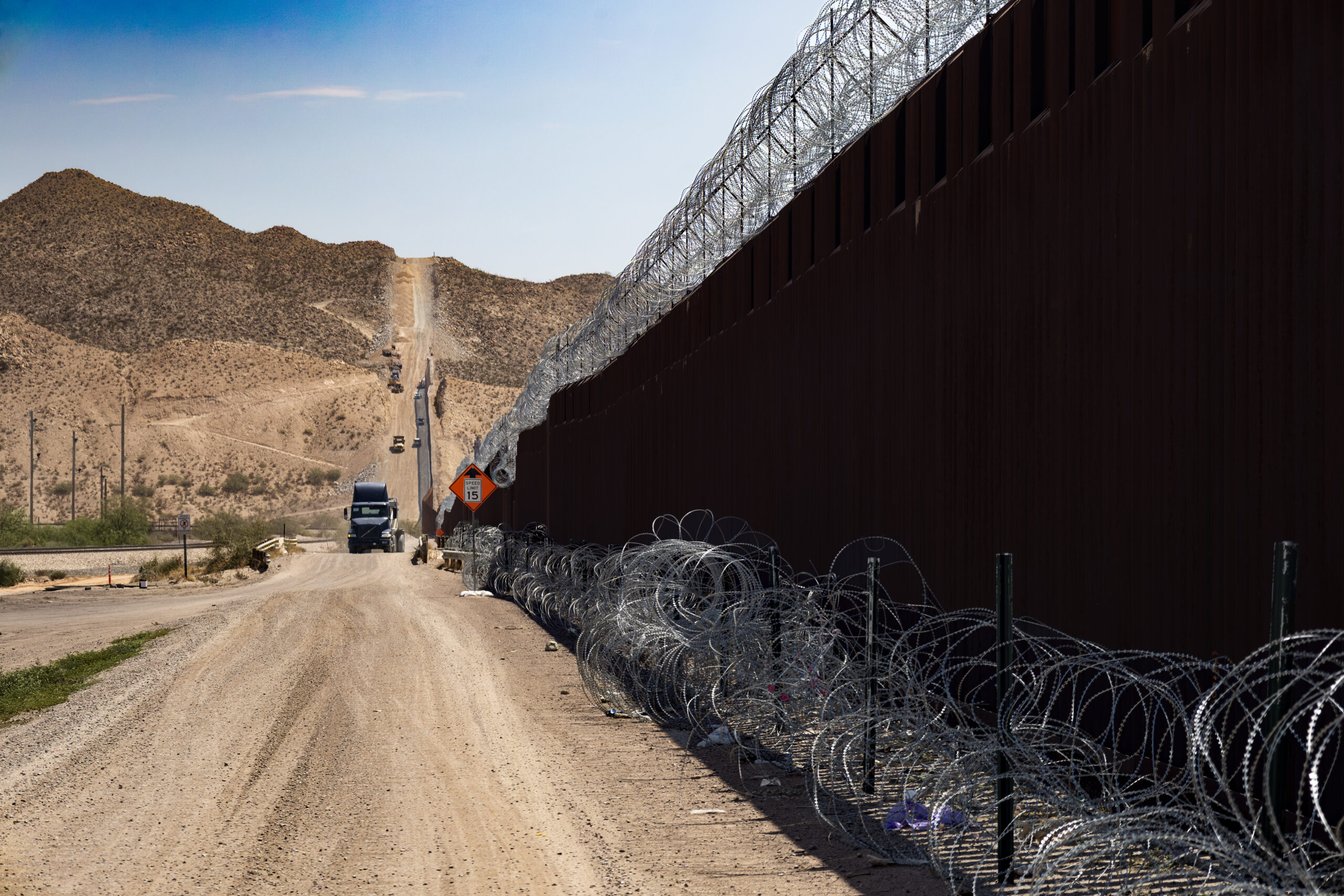
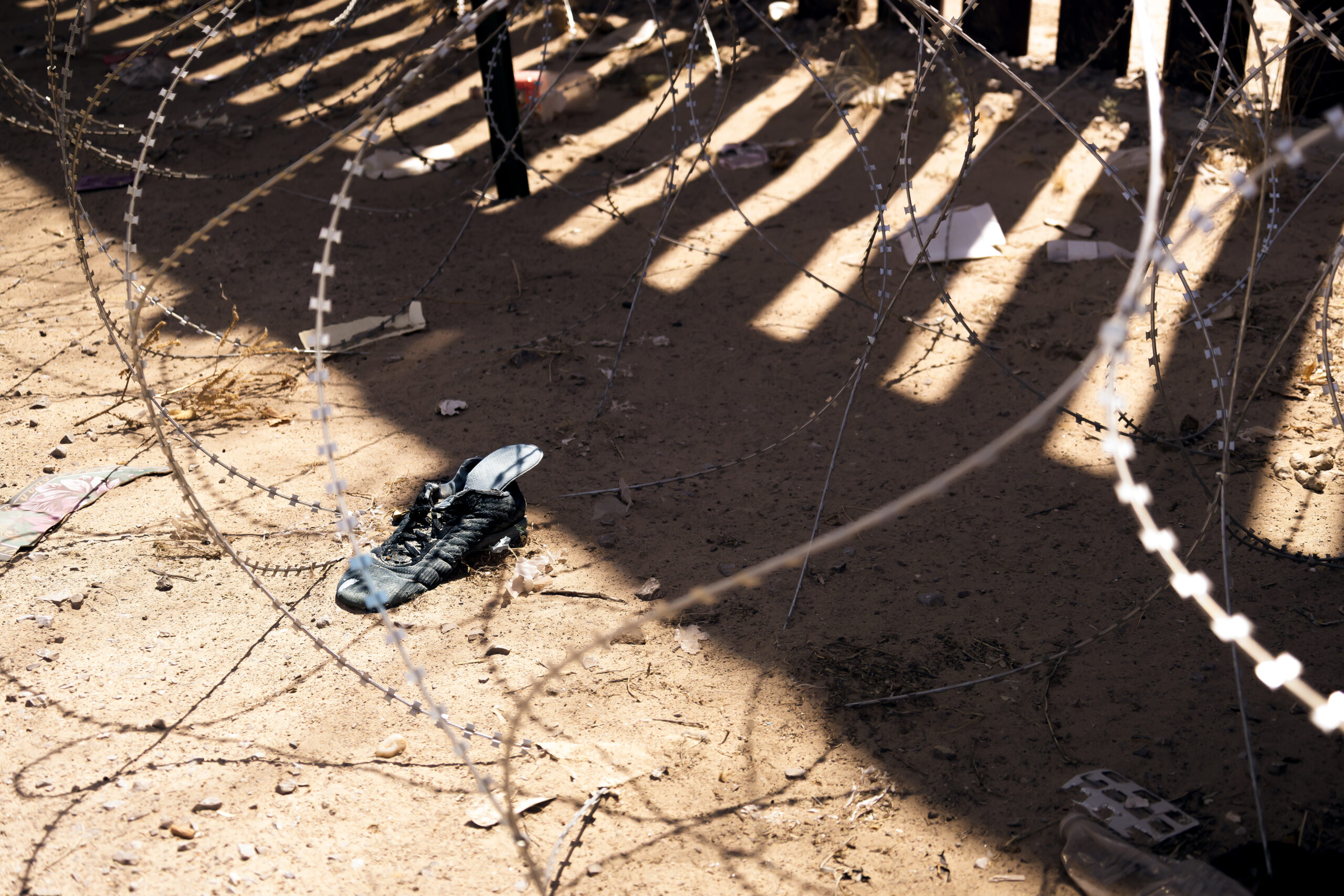
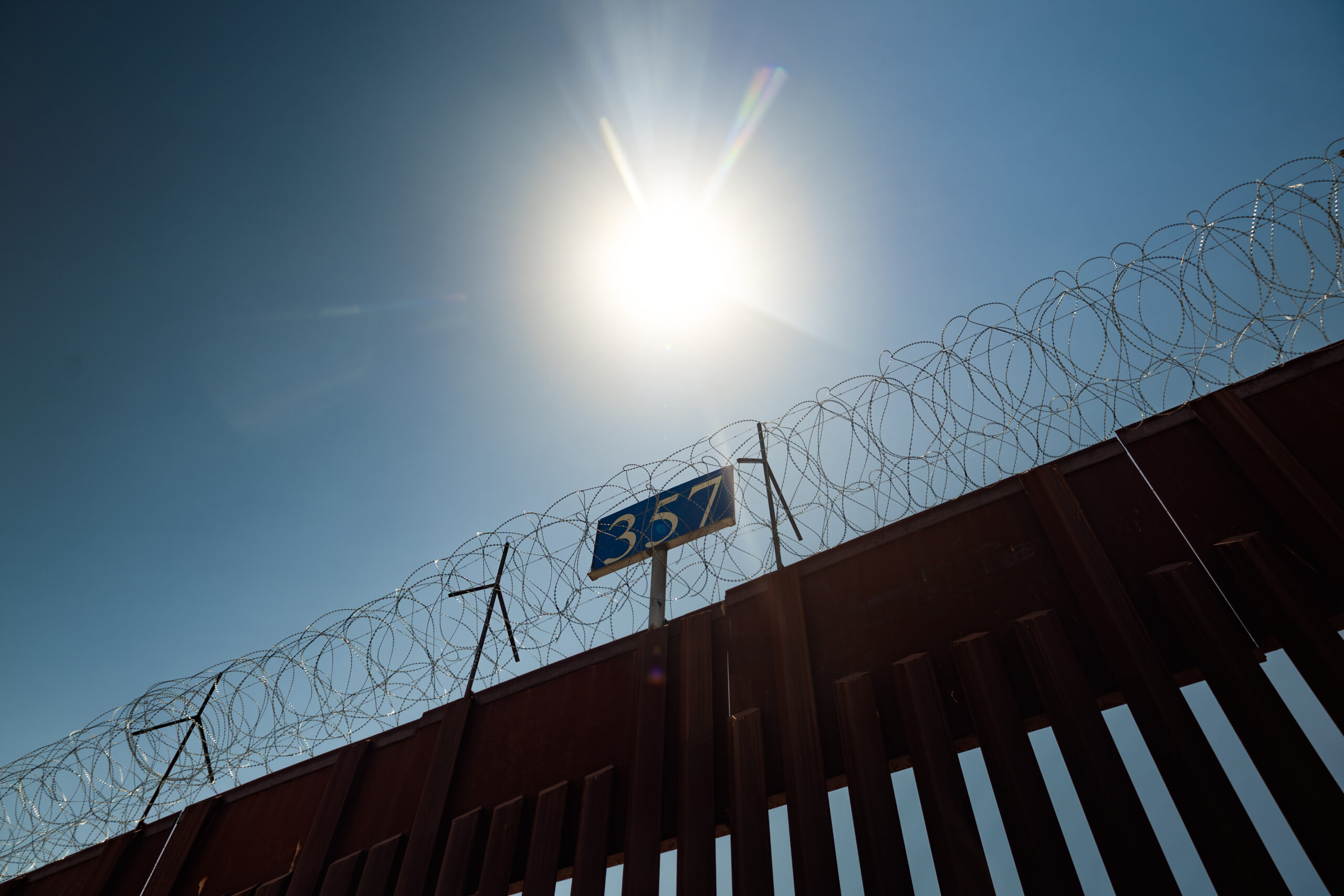
The Trump administration has added extra miles of razor wire to border fences, increased surveillance technology and uses autonomous Predator drones with surveillance and infrared technology to monitor swaths of the border for migrants crossing into the U.S.
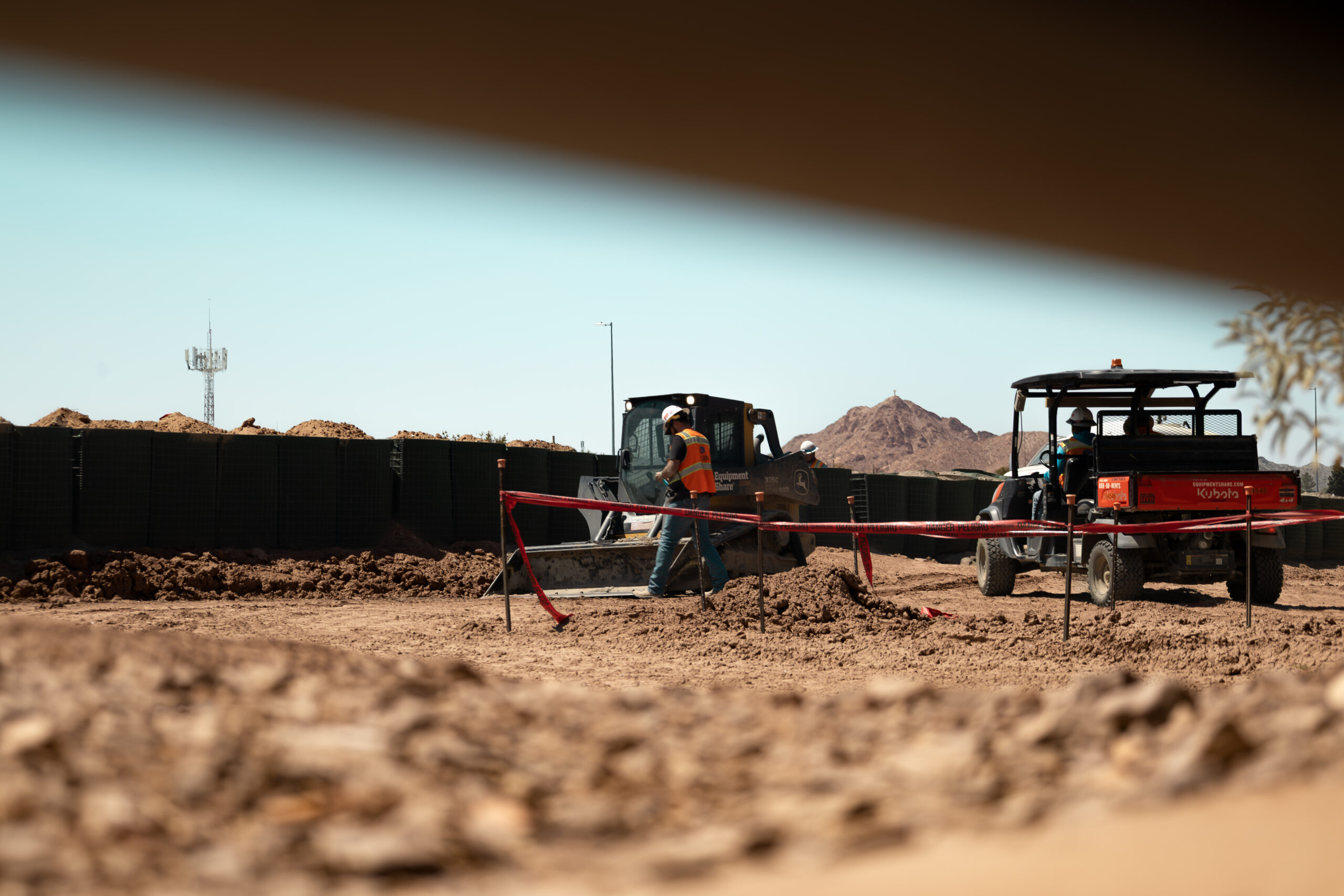
And picking up on Trump's "build the wall" pledge from when he first ran for president, more border barriers are being built.
Trafficking through cross-border tunnels is not new. In 2022, Ken Salazar, then the U.S. ambassador to Mexico, said there were at least 200 tunnels that span the border. Many of them were found linking Tijuana and San Diego.
But in a twist, some tunnels now connect to drainage and sewer systems. This May [2026] authorities found 19 migrants, including three unaccompanied minors, traversing the San Diego sewer system. It was a remote surveillance camera that spotted the migrants emerging from the drainage system.
The smugglers were two brothers who had previously been charged with methamphetamine trafficking in the Northern California town of Yreka in 2017.
Smugglers employ tunneling specialists whose work is more and more sophisticated, equipping the tunnels with lights, ventilation systems and sometimes mini rail lines. More tunnels are faster and safer, and much more expensive for migrants who'd otherwise face increasingly dangerous mountain and desert routes, experts said.
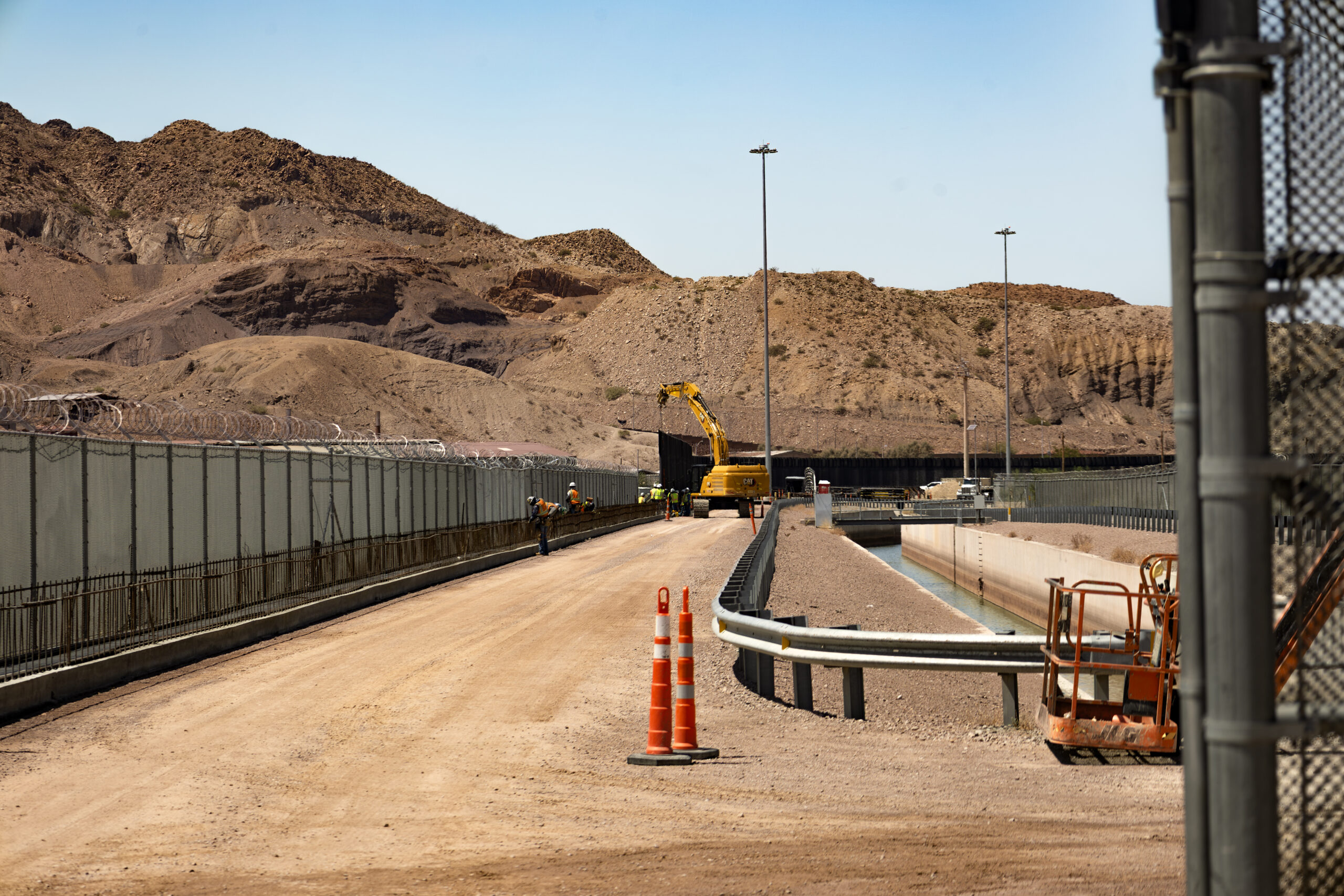
Last year, Customs and Border Protection and Homeland Security Investigations agents also found a new tunnel that ran under the Rio Grande, from Ciudad Juárez, Mexico into El Paso.
The passage tapped into the El Paso sewer system where, according to U.S. authorities, undocumented migrants surfaced from a manhole. They climbed into a box truck outfitted with a trapdoor and parked over the manhole.
Cartels charge migrants from Latin America up to $15,000 dollars each to use Juarez-to-El Paso tunnels, an official familiar with the dynamics said. For people from the Middle East or Southeast Asia, the price can be as much as $25,000.
The tunnel traffic continues to vex U.S. officials.
In Tijuana, one tunnel discovered last year stretched from Tijuana to what appeared to be a Buy 4 Less storefront near the Otay Mesa port of entry. The store never had customer traffic, so U.S. law enforcement suspected it hid a tunnel and began monitoring the business.
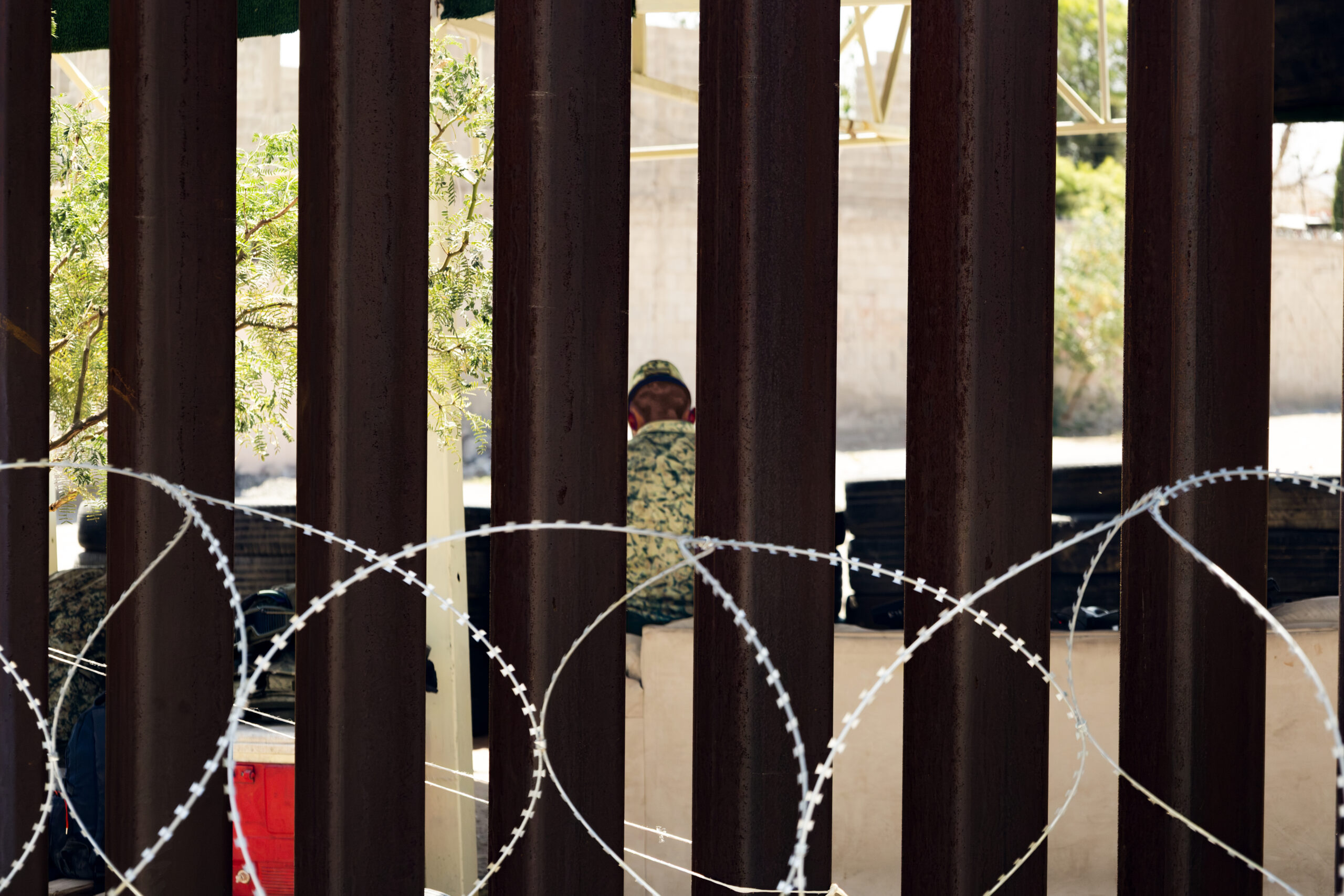
Mexican side. Aug. 26, 2026. David C
Authorities raided the building and found the entrance to a tunnel controlled by the ruthless New Generation Jalisco Cartel. It was 55 feet deep and nearly a half-mile long. It featured a hydraulic lift, ventilation and a rail and cart system. Authorities stopped a freezer truck after it left the location and seized more than a ton of cocaine worth around $45 million.
In 2024, U.S. law enforcement found a tunnel in the border town of San Luis, Arizona. Authorities said it was used to smuggle migrants and drugs. Its exit was hidden in an abandoned KFC restaurant.
Fisher is an independent journalist based in Mexico City and frequent contributor to Puente News Collaborative.
