A Pause for a Cup

Editorial note: This article is published by Puente News Collaborative, a bilingual nonprofit newsroom that covers stories from Mexico and the U.S.-Mexico border.
Words and photos by Alfredo Corchado
MEXICO CITY – In the borderlands of Mexico and the United States, there are clear signs of a political, economic, and social relationship slipping to an acutely low ebb.
But as the games get underway, there is also a growing buzz of optimism that the game of soccer can hopefully turn the page on geographical rancor and bring together North America - Canada, Mexico, and the United States.
“We all need a good distraction to focus on what unites us, rather than what divides us,” said Hugo Alcala, a taxi driver in Mexico City. “We need to remind ourselves that we’re all neighbors, not enemies.”
In the coming weeks, tens of thousands of tourists, many of them Mexican American, will travel south to see the games in Mexico City, Guadalajara, and Monterrey. And while many Mexicans here seem to share a dread that their city might fall short of being a perfect host, many are at ease knowing Mexico has a history of stepping up in times of global and regional conflict.
Indeed, Mexico today becomes the only three-time host of the championship series for the world’s most-watched sport. Banorte Stadium, the former Estadio Azteca in Mexico City, is now the world’s only venue to have hosted three World Cup opening matches.
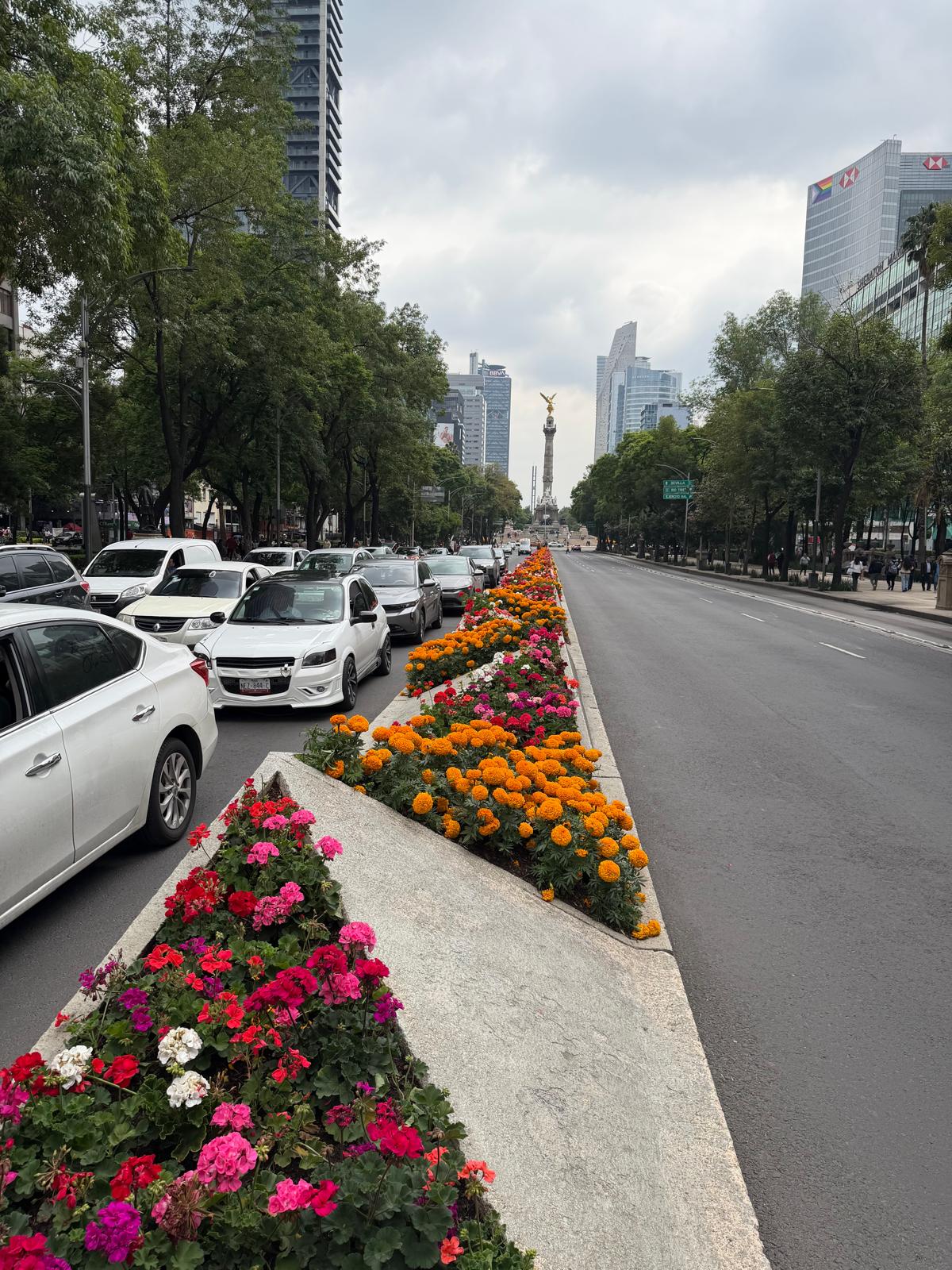
Photo by Alfredo Corchado/Puente News Collaborative
“If we don’t win the cup, that’s okay,” said Raquel Almeida, who pushed a cart filled with World Cup merchandise. “We’ve already won. How many countries can say they’ve hosted la copa (World Cup) three times?”
That optimism about turning the page is also evident in places like the adjacent border towns of El Paso, Texas, and Juarez, Mexico; McAllen and Reynosa; and San Diego, California, and its Mexican neighbor, Tijuana.
The games also pose an uncomfortable question hovering over some border residents: Which colors will they don? What national squads will win their cheers or jeers? In El Paso and Juarez, a bicultural, bilingual and binational gem, World Cup fever permeates on both sides of the border.
Jose Real, 53, a social worker in El Paso, admits to an internal struggle: Does he root for his native Mexico? Or does the pull of his new homeland that opened new opportunities for him. That would mean slipping on a blue and white jersey.
“Living in the border makes it tough to pick one team over the other,” Real said. “I’m just glad they’re not competing, at least I don’t think they are,” noting both teams would have to go far in the tournament in order to face each other, an unlikely scenario.
In Tijuana and San Diego, two cities with significant populations of Iranian refugees and immigrants, it was the remarkable sight of dozens of emotional people holding welcome banners and flags to greet chartered buses carrying the team from Iran. Tijuana is hosting the Iranians during the cup in hotels within sight of the U.S. border.
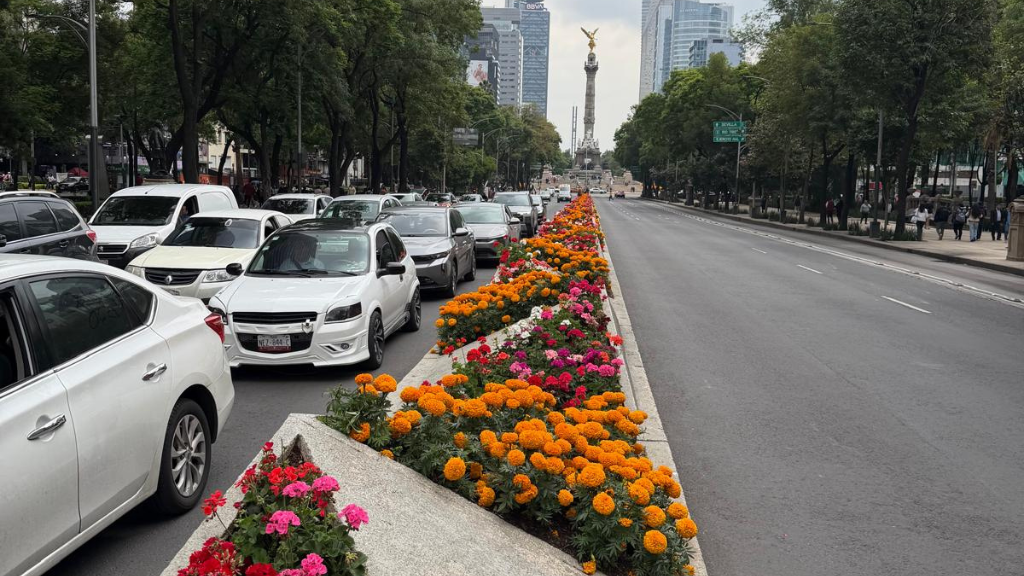
Here in Mexico City, throngs of South Koreans, Japanese, South Africans and Mexican Americans walk along parks, and the city’s picturesque Paseo de la Reforma, snapping selfies and photos next to Cempasúchil (marigold), the most iconic flower of Día de los Muertos, celebrated months early to accommodate guests from all over the world.
At nighttime, nightclubs are filled with raised glasses of wine and tequila and grateful hosts.
“I’m so glad everyone from around the world is with us,” said Rosalia, a folk singer on stage in the Mezcaleria Insurgentes bar in Mexico City’s Roma neighborhood. At the end of a set, she did a round of “Where are you from?,” discovering tables of visitors from Seattle and Washington, D.C. “This world cup will show you that we’re always a welcoming place even when there are conflicts in countries around us.”
Despite the unfinished makeover, and ongoing massive protests across the city, President Claudia Sheinbaum declared “it’s all under control.” She ordered schools closed. Businesses shut down or encouraged employees to work remotely. Work hard. Play harder. She also pointed to 18 public viewing sites for those who won't be in the historic Estadio Banorte. The viewing sites are for the majority of fans who can’t cover the exorbitant cost of tickets – some reportedly at $2,600 per seat and out of reach for fans across North America.
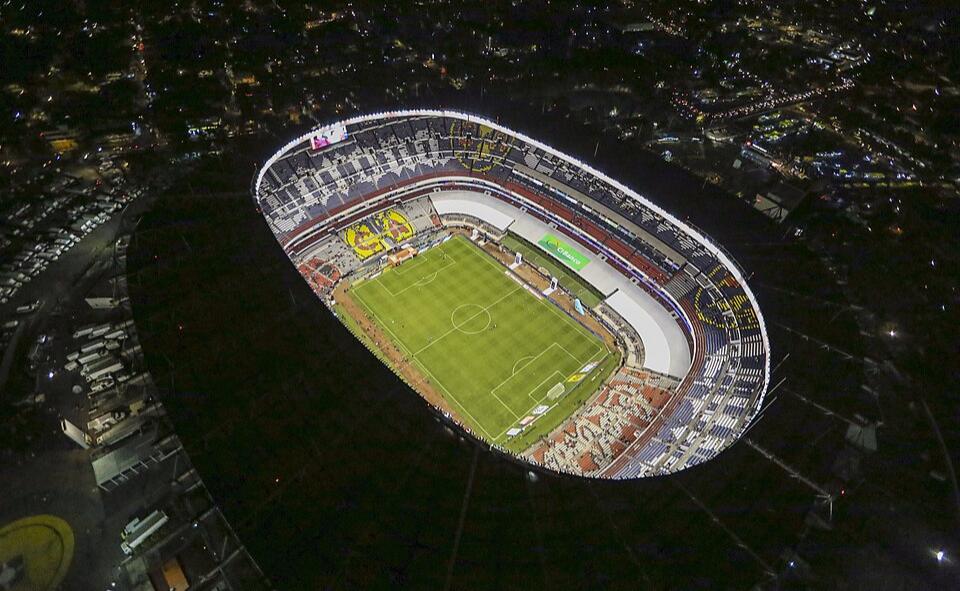
Photo by Gobierno CDMX. CC Creative Commons Zero, Public Domain Dedication
“I'm very excited that it's going to be here in North America,” said Victor Hernandez, 31, from El Paso. “What I am disappointed in is the ticket prices. I was hoping to take my father to a World Cup, but it's very, very expensive.”
Instead, he will remain on the border, with a remote control in his hands.
Many more are headed south. At the tarmac of the Benito Juarez International Airport, with raindrops falling, Leny Hernandez, 33, a property manager from El Paso, sighed as he deplaned. He had traveled from Ciudad Juarez to Mexico City, away from the heat and to the clutches of “something else, something special.”
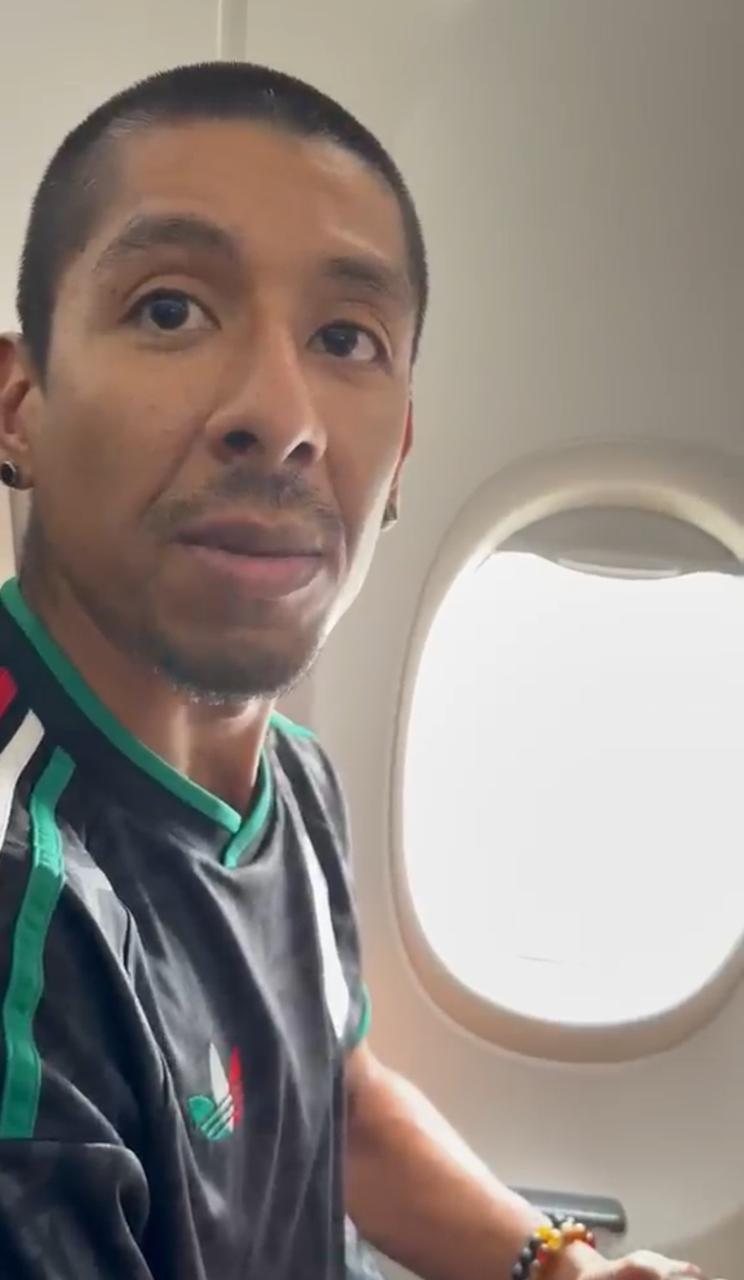
Photo by Alfredo Corchado/Puente News Collaborative
A former combat soldier stationed at Fort Sam Houston in San Antonio, he wore a black T-shirt and shorts with the colors of Mexico’s national team. He was about to check the box on a lifelong quest.
“This is a childhood dream to be here, at this moment,” he said, mesmerized at the sight of the enormous city and looming clouds above. “Am I for Mexico, the United States? I just want unity.”
Ricardo Sandoval and Mariana Chavez contributed to this story
