Trump signs executive orders that target birthright citizenship

By Nicholas Kerr, Emily Chang, and Michelle Stoddart
President Donald Trump on Thursday signed a pair of executive orders targeting birthright citizenship -- one that would outlaw what the administration has described as "birth tourism" and another that would narrow the criteria who is eligible for birthright citizenship.
The orders come after the Supreme Court struck down an attempt by Trump to do away with birthright citizenship altogether in an executive order he signed on the first day of his second term last year.
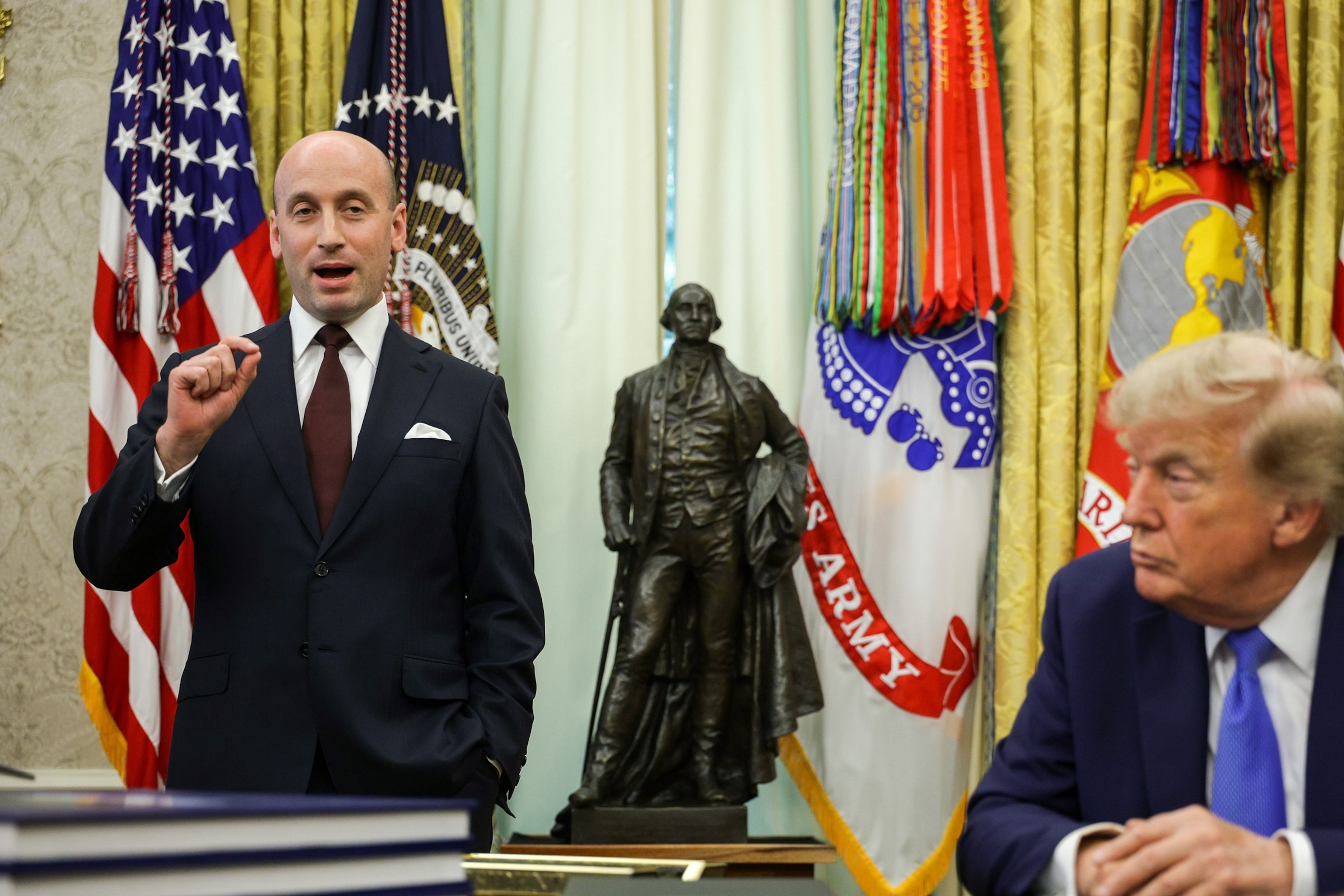
Asked how the government would distinguish between a "a tourist and a birth tourist," Stephen Miller, White House deputy chief of staff, said, "The Immigration and Nationality Act gives the president this authority, citing section 215(a) of the law which, in part, makes it unlawful for any noncitizen to enter or leave the U.S. "except under such reasonable rules, regulations, and order. ... the President may prescribe."
"If you're telling a consular officer you're here as a tourist, but your true purpose and intent is to go to a baby mill, give birth and try to mint an American citizen while you're here and you're committing a fraud against the American government," Miller said.
"So that practice of birth tourism is, as of the signing of this order, hereby banned. And what that means is that no one in the world is any more allowed to obtain a visa for this fraudulent purpose," Miller said.
Trump said that "hundreds of thousands" of people are taking advantage of birth tourism. However, his own Solicitor General John Sauer had a very different response to that question in April, when Supreme Court Justice John Roberts pressed him about the practice during oral arguments around Trump's Day 1 executive order, saying that "No one knows for sure."
Sauer cited "media reports" that said estimates are more than 1.1 million, "or 1.5 million from the People's Republic of China alone."
"The congressional report that we cite in our brief talks about certain hotspots, like Russian elites coming to Miami through these birth tourism companies," Sauer said.
In the other order, Miller said people who would be ineligible to obtain citizenship by birthright, would include "alien enemies of the United States, members of foreign terrorist organizations and large categories of people who lobby and act on behalf of foreign governments."
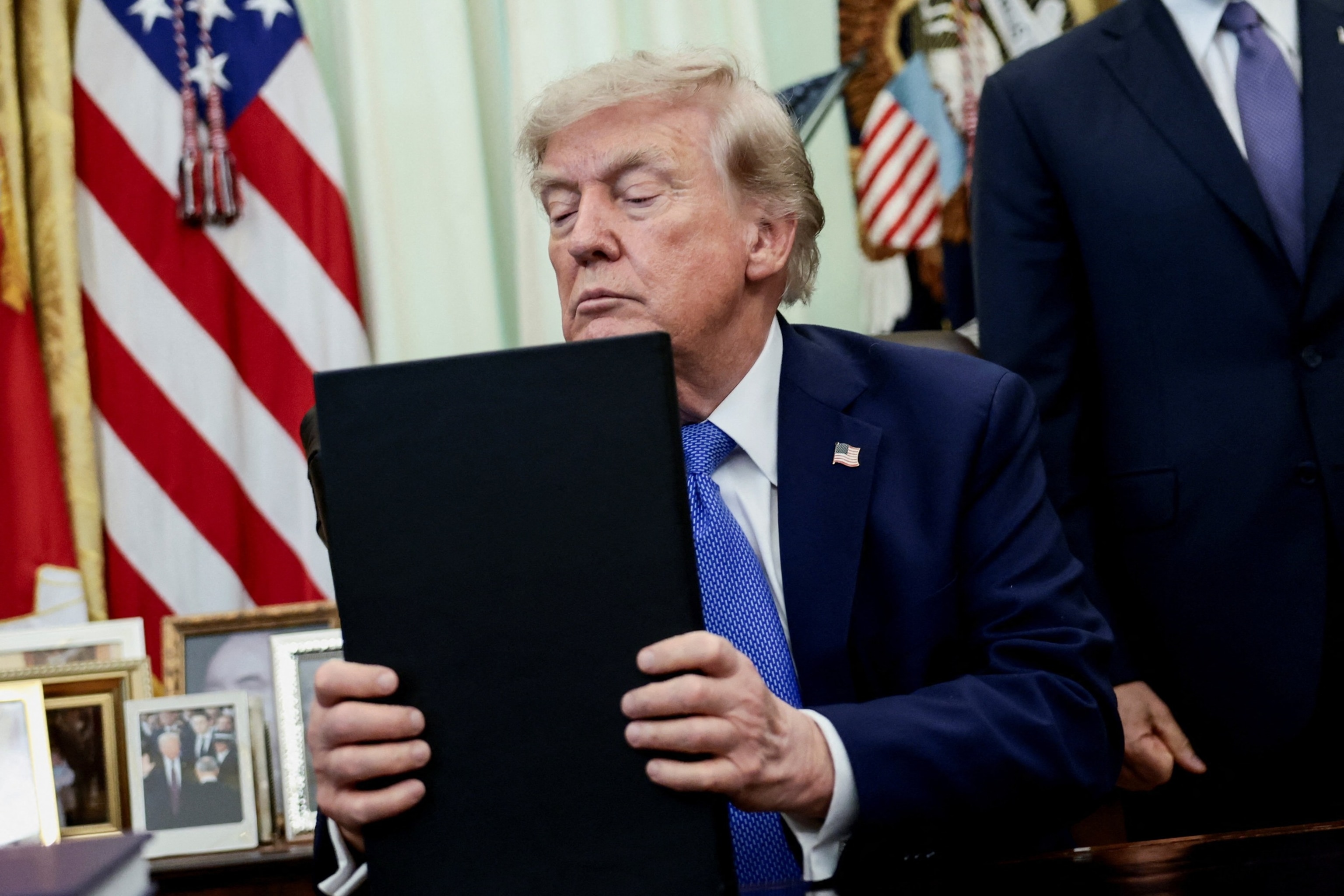
Asked what makes him confident this will hold up to constitutional law, Trump deferred to White House Secretary Will Scharf, but said, "I think it will."
Trump again criticized the Supreme Court's June decision to uphold birthright citizenship, saying Thursday's actions are "adjustments" because of the high court's refusal to greenlight his executive order.
"We had a very unfortunate decision in the Supreme Court concerning birthright. It was close, but a very, very unfortunate decision. So we're making adjustments because it's very unfair," Trump said.
