Senate passes Russia sanctions bill named in honor of the late Sen. Lindsey Graham

By Morgan Rimmer, CNN
(CNN) — The Senate on Friday passed a major Russia sanctions bill, named for the late Sen. Lindsey Graham, who played a key role in the painstaking negotiations over the legislation that lasted over a year.
The bill ultimately sailed through the Senate on bipartisan vote, 86 to 11. It would next need a vote in the House, which is currently on recess until September.
The package would place mandatory sanctions on top figures in the Russian government, including Russian President Vladimir Putin, as well as Russian oligarchs, state-owned enterprises and foreign companies supporting Russia’s defense industrial base.
In addition, it would impose up to a 100% tariff on the top five countries, including China and India, that purchase Russian crude oil and natural gas, with US Trade Representative Jamieson Greer determining the final tariff level. It allows an exemption for countries that import less than 15% of Russia’s total natural gas exports and are working to significantly lower their use of Russian natural gas.
The day before he died, Graham announced – while standing in front of tanks in the streets of Kyiv, Ukraine – that the administration and the bill’s key Senate backers had finally reached a deal on the package. In the days after he passed, his colleagues rallied for passage of the bill, casting it as a “fitting legacy” for the senator-statesman.
“I’ve known this man for 32 years, and I’m willing to say this: this is Lindsey Graham’s greatest achievement,” declared Senate Armed Services Chairman Roger Wicker shortly after Graham’s death.
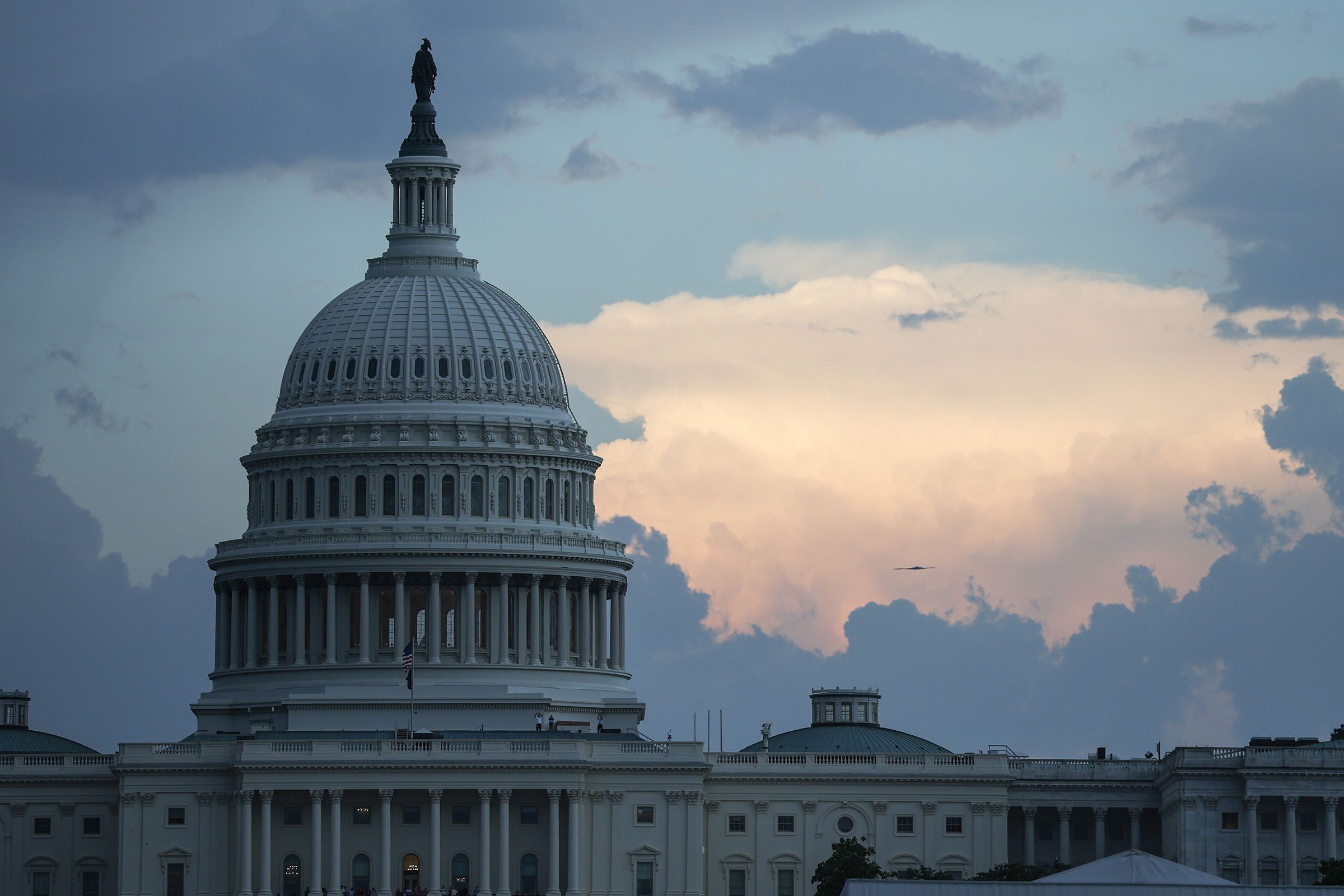
The Senate took its first procedural vote on the package in the hours after Graham’s DC funeral. Ukrainian President Volodymyr Zelensky, who attended the service, met with senators in the Capitol and watched the vote from the gallery above the chamber, alongside Senate Majority Whip John Barrasso and Senate Foreign Relations Chair James Risch.
Zelensky told reporters that night, “This bill is very important, and sanctions pressure on Russia is very important, and really gives – It’s not only about money, how Russia, how to stop to finance this war, but it’s also a big signal to Europe, big signal to Ukraine.”
Sen. Richard Blumenthal, the lead Democratic co-sponsor of the bill, emphasized that while he had seen Graham at times frustrated with the president over the package, Graham never gave up on it.
“He was often as frustrated with the president as any of us, you know. But he accepted it with good humor — not necessarily — maybe accepted is the wrong word, but he never abandoned the cause of the Russia sanctions bill because he knew it was the right thing, and he was totally dedicated to getting it done,” Blumenthal told CNN last month.
“His understanding of the president, but also his seeming ability to influence him, again made him a unique figure here. The combination of his alacrity in reaching across to Democrats, but also his continuing ties to Trump were part of his unique role.”
The original text of the package, first released in April 2025, had minimum tariffs set to 500%, with fewer exceptions. However, over more than 15 months of negotiations, the administration and congressional negotiators had reached a lower tariff number, but also given the execution power to Greer, rather than the president directly.
But in the weeks leading up to this vote, some senators expressed concern over handing the administration any more tariff authority. Sen. Elizabeth Warren told CNN in July, “I’ve been saying for a year and a half we need tougher sanctions against Russia. That’s very, very important. But Donald Trump has shown what he will do with broad tariff authority. Heck, he’s shown what he’ll do even if he doesn’t have authority.”
Ultimately, the Senate voted on one amendment to change the tariff language in the package, which failed. Sen. Raphael Warnock had also pushed for an amendment stating that if any nation drops out of the top five importers of Russian oil, they will no longer be subject to the bill’s tariffs, but he withdrew the demand once Greer made that pledge in writing.
Blumenthal pushed back on his colleagues concerns, arguing the tariff authority in the package is “narrowly tailored and limited.”
The-CNN-Wire
™ & © 2026 Cable News Network, Inc., a Warner Bros. Discovery Company. All rights reserved.
