Bracing For Impact
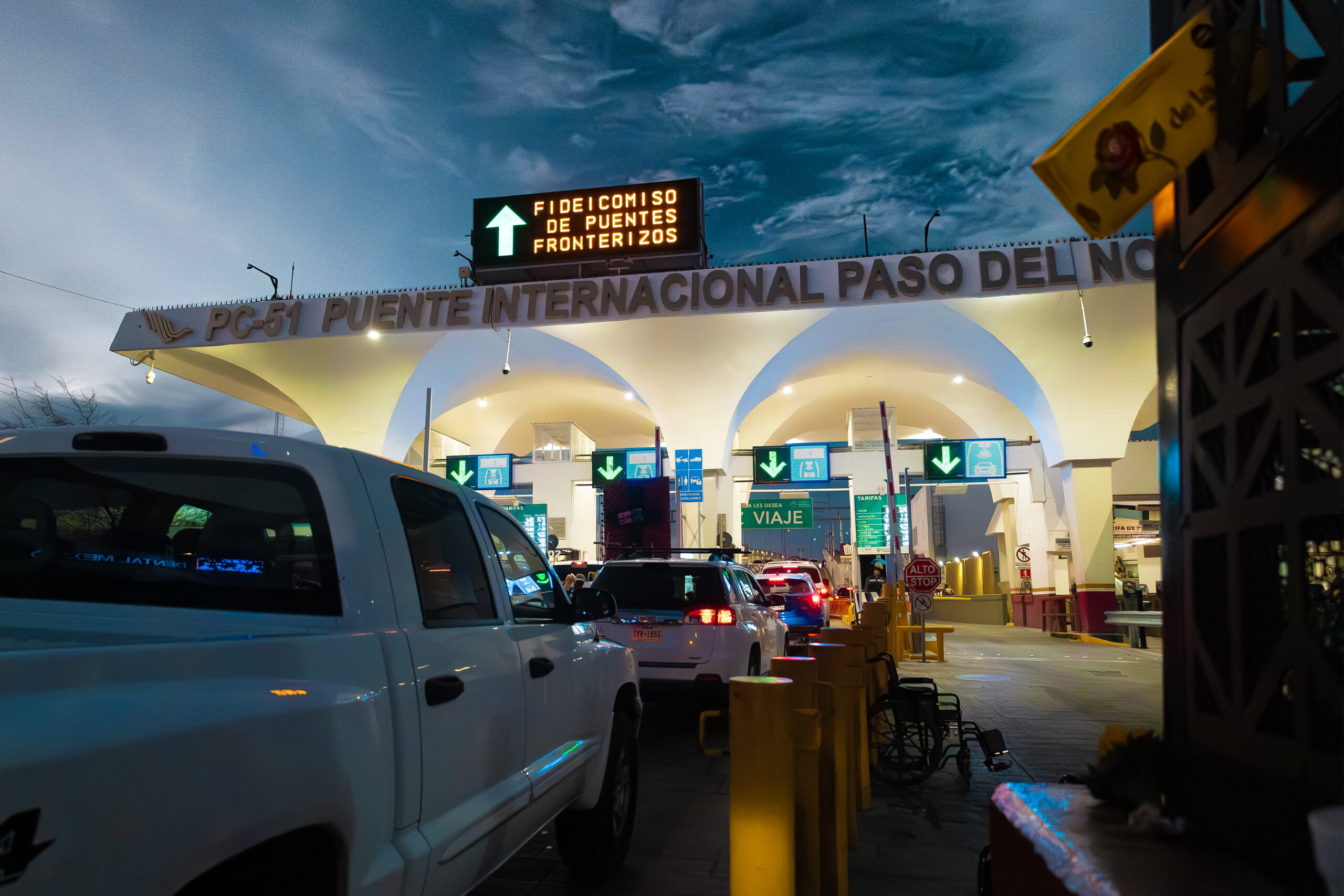

Mixed-status families hope for the best but prepare for the worst amid the U.S. deportation blitz
By: Sofia Sierra & Alyda Muela
This article was published by Puente News Collaborative, a bilingual nonprofit newsroom that covers stories from Mexico and the U.S.-Mexico border.
EL PASO, TX– Andrea Garcia, 18, and her mom gave each other a knowing glance when the car passed them on a busy street. Had they observed it for even a split-second less, they would not have deciphered that the inconspicuous car was fronted by ICE agents.
“We shouldn't have come out today,” Garcia tells her mother. Giggles fill the air; the laughter breaks an uncomfortable silence cast by the passing vehicle. A bit of joy replaces nervousness.
For Garcia, the comic relief has become routine: See a federal immigration officer or vehicle and crack a joke. These days, the jokes are more frequent.
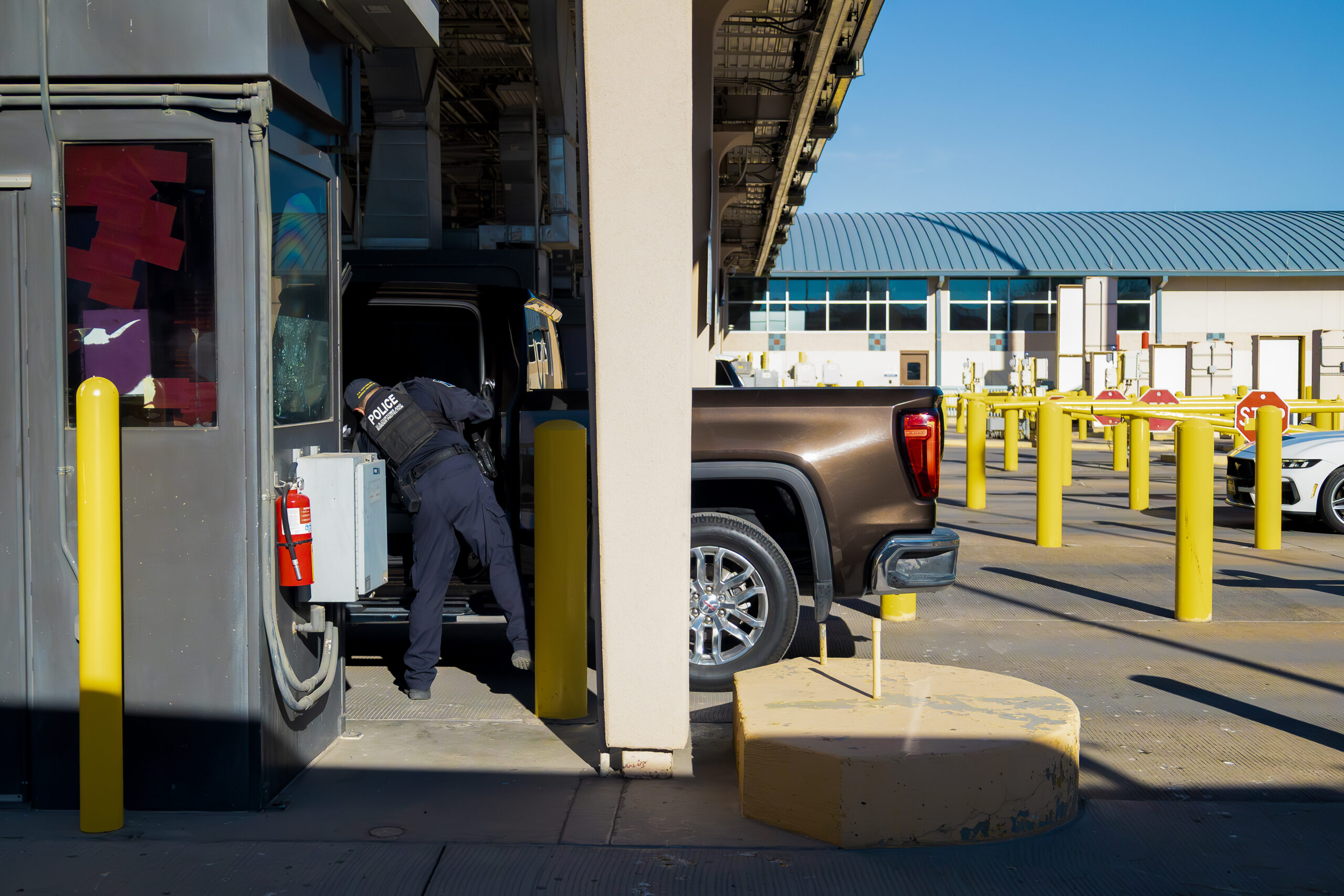
David Castañeda/Puente News Collaborative
The spark of the Garcia family’s dark humor is the heightened federal immigration enforcement spreading across the United States – the deportation blitz long promised by President Donald Trump, includes El Paso, a city where eight of every 10 residents are Latino, according to U.S. Census data. The enforcers are the very law enforcement agents, a majority of them Latinos, tasked with targeting them. The raids are on and off; the chilling effect permeates in a region long known as the Ellis Island of the Southwest.
(Andrea Garcia is a pseudonym. Puente offered to respect her anonymity, as she fears scrutiny and retaliation by immigration officials.)
The reality of the enforcement surge has families like the Garcias on edge, often changing their daily habits to stay together. They are a “mixed status” clan, an ensemble of six: her father, mother and her three sisters. Half are green card holders, two are U.S. citizens born abroad, and one is a naturalized U.S. citizen.
Targeted ICE raids, in which agents look to apprehend specific individuals who have criminal records or are suspected of criminal activity, have been part of life in El Paso, a border city that’s historically a hub for deportations. But what’s happening now is less familiar: Untargeted raids sweep up anyone suspected of being in the U.S. without authorization– in places like construction sites. The raids happened more frequently this year around El Paso, from the east side’s Horizon City to Santa Teresa in New Mexico. The infrequent raids have left their mark on the community. Along the way, students and U.S. citizens have gotten caught up in raids driven just by suspicion that someone’s undocumented.

The wider ICE net has mixed-status families facing uncertain futures.
Though the umbrella of a mixed-status definition is broad, it covers several “gray statuses,” says Dr. Jeremy Slack, an associate professor in the sociology and anthropology department of the University of Texas at El Paso.
“That stuff is really hard to measure on a form,” Slack says. “So, I think the fluidity of a place like El Paso, the close ties and relationships, makes it really difficult to sort of quantify. But I would say, probably in one form or another, almost everyone in El Paso has some mixed-status family.”
This uncertainty, he adds, generates “another level of fear with the (Trump) administration.”
Previously, those in the gray areas – including people with legal status but who are not permanent residents – had a “reasonable understanding that you wouldn't be placed in detention or removed.”
“But now that's not what we're seeing, right?” asks Slack, then answers: “We're seeing a lot of people having perfectly legal statuses being wrapped into this, often under weird accusations.”
Garcia's mother and two older sisters have been green card holders since December 2018. Their legalization process began around 2015, but lagged, according to Garcia, when Trump began his first term in 2016.
These days, however, even legal status is not enough to quell the fear. The family has taken precautionary steps to protect themselves.
“(My dad) told us ‘Start carrying your passport with you, especially mom’s,’” Garcia says, recalling how her father has become the husk around the family – protecting them with a firm set of rules.
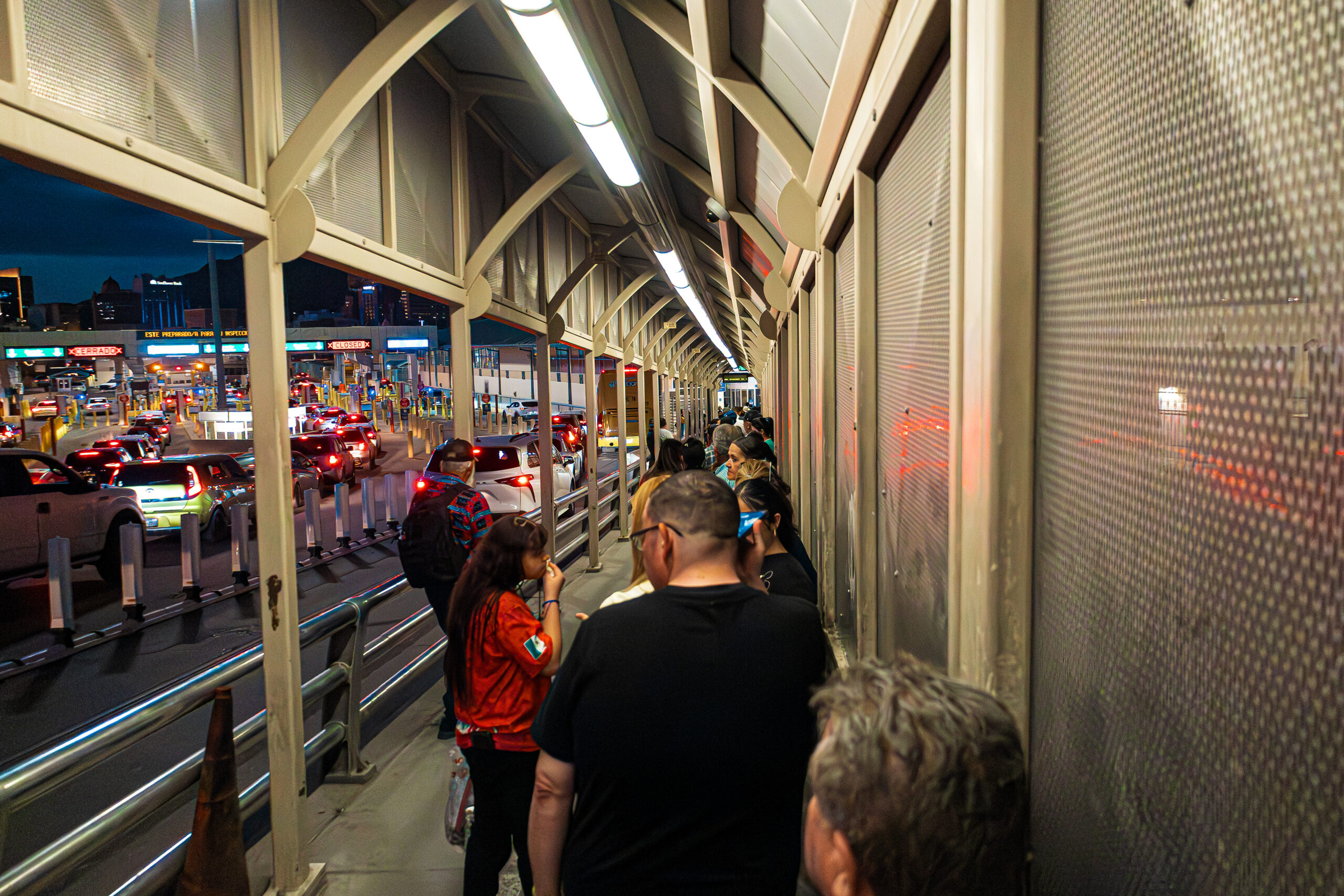
The old habits died slowly, though, including visiting Ciudad Juarez, across the border in Mexico, which was Garcia's home until about six years ago.
“My dad was like, ‘Let’s try to go quick and come back, just do what you got to do, but don't stay there, I just want you guys back as early as possible,’” Garcia adds, noting that even donning clothes emblazoned with the Mexican flag is discouraged.
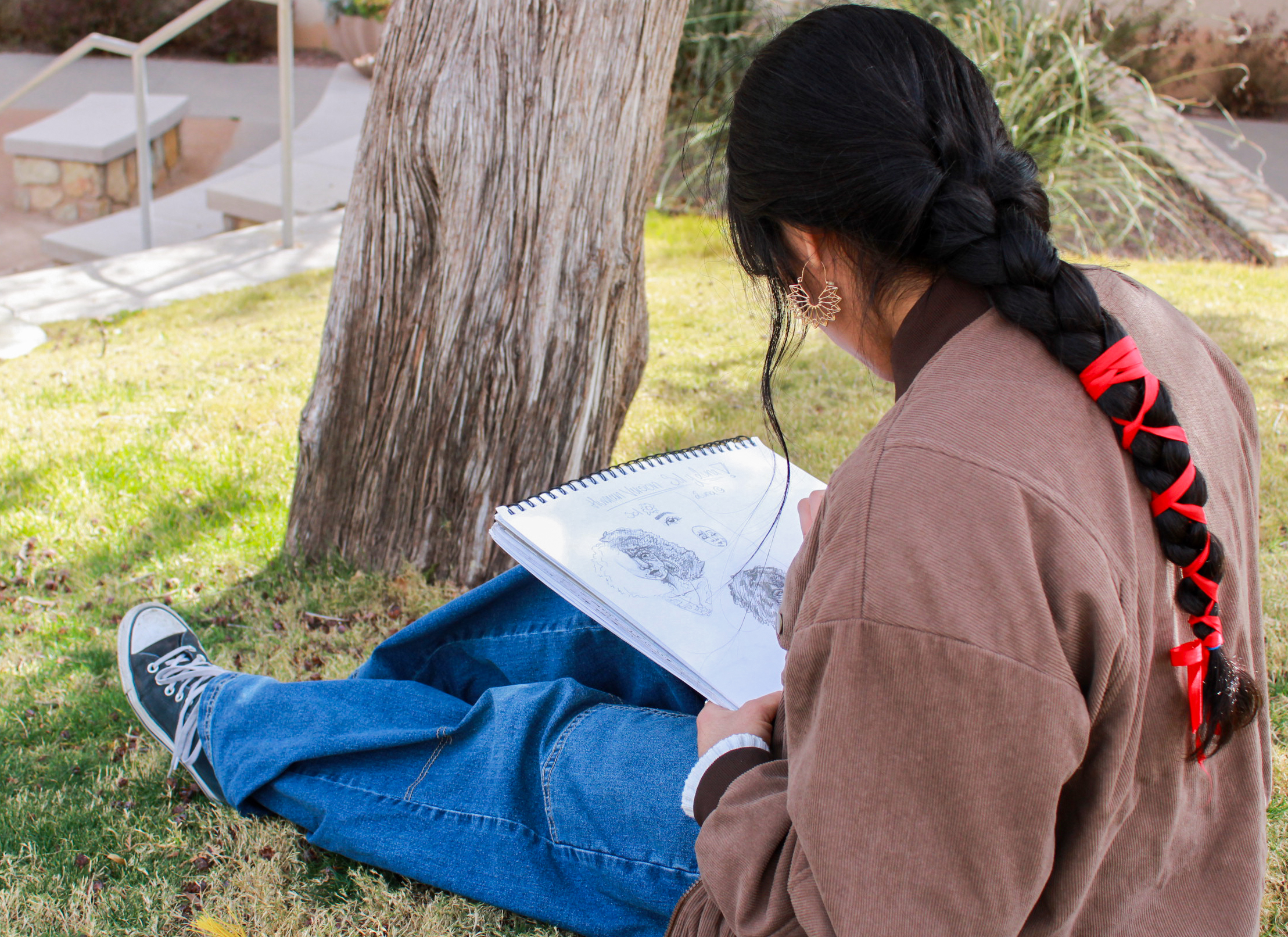
Tougher still is dad’s rule preventing Garcia's younger sister from participating in public protests of ICE activity, like the walkouts at her high school.
News of plans for a ‘mega’ detention center in Far East El Paso County, along with the shooting deaths of two U.S. citizens by ICE agents in Minneapolis, pushed students – many of them immigrants or Mexican Americans – to walk out in protests at high schools across the region.
According to the Migration Policy Institute, El Paso, with a population of more than 875,000, had an estimated 53,000 unauthorized immigrants in 2023. The MPI's definition of unauthorized immigration includes people who entered the country illegally, or are visa overstayers, DACA recipients and asylum seekers.
Higher education adds to the diversity of mixed-status people in El Paso. Student visa holders who reside on both sides of the border are enrolled at the UTEP, El Paso Community College, and other nearby institutions.
For such students, spending time in El Paso has become a game of chance: Last year, the Trump Administration revoked the visas of 11 UTEP students. Although those visas were later reinstated, the action left its mark.
“I was trying to keep as low of a profile as I was able to,” says one student, who asked to be identified only as Quinn.
Quinn lives in El Paso and says he believes trips across the border to visit friends and family now pose a risk.

“I do think that, with the situation these days, some of those things don't matter anymore, like the documentation or being legal, which is pretty sad,” says another student, who asked not to be identified because she fears retaliation. She adds that she’s stopped going out with friends in El Paso.
Both students carry their documents at all times – they started doing so after the UTEP student visa revocations last year. They fear the ICE deportation surge may reach them.
The students are not alone in their worry. Thirty-one percent of the unauthorized population resides with at least one U.S. citizen child under 18.
The reality of the numbers in El Paso, and the fear and uncertainty, fuel the emotions that swirl around Garcia. Yet there’s hope as well, she says. She’s 18. She’ll vote and speak up in a way, she says, that “actually has impact.”
Alyda Muela is an independent journalist based in El Paso, Texas where she covers investigative, economic, and cultural stories. @alydamuela

Sofia Sierra is a freelance journalist working with Puente News Collaborative. She is the editor-in-chief of Minero Magazine. Previously, she interned with The Dallas Morning News and the nonprofit newsroom, El Paso Matters.
