Desert Songs: How Sonic Ranch cut a new trail in the competitive music business

Editor’s note: This story was co-published by Puente News Collaborative, a bilingual nonprofit newsroom and funder dedicated to high-quality, fact-based news and information from the U.S.-Mexico border and Minero Magazine.
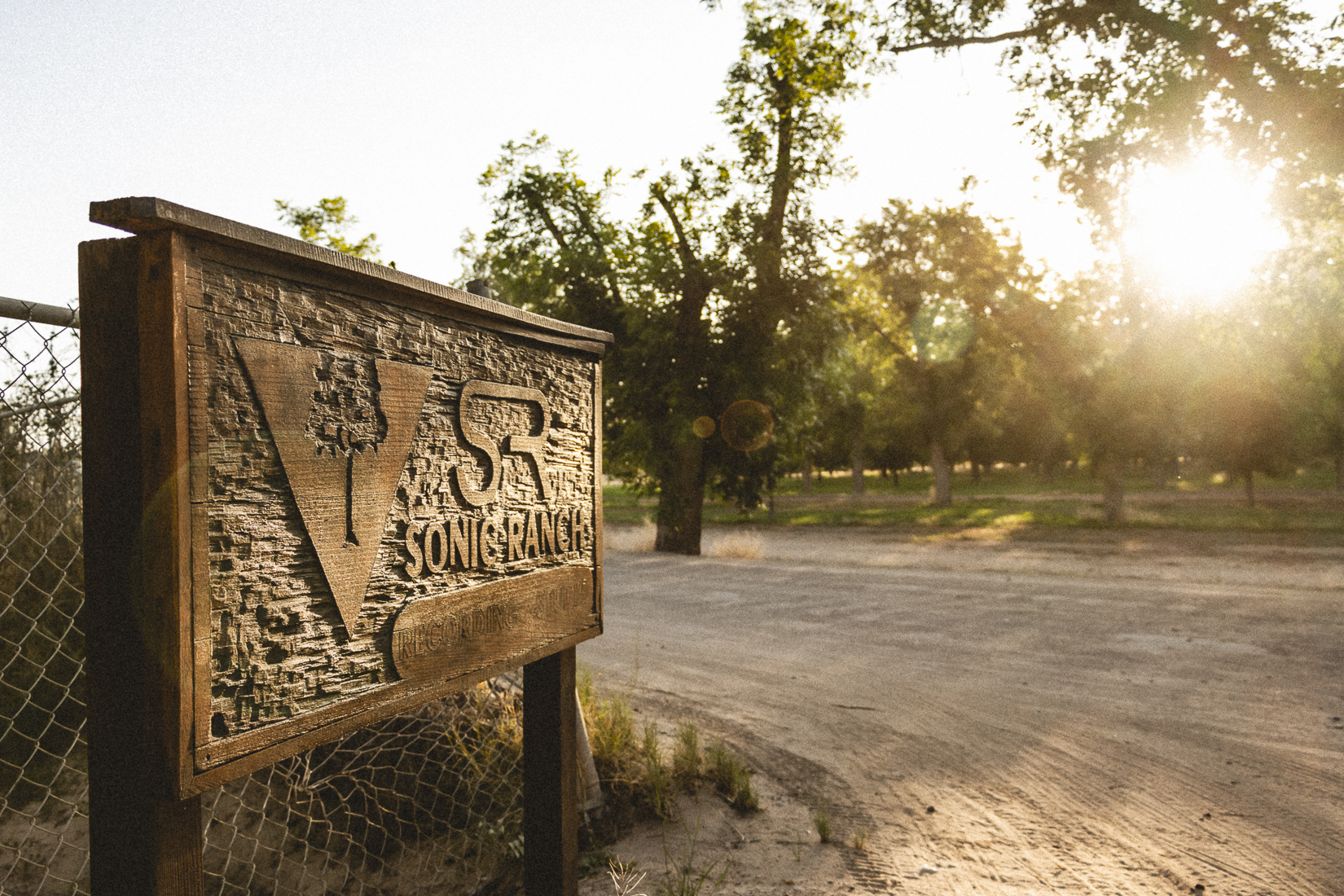
TORNILLO -- Sonic Ranch is a working farm on 1,700 acres hugging the Rio Grande and Texas’ border with Mexico, some 40 miles east of El Paso, in this small town. There’s open desert on all four sides, broken up by rows and rows of pecan orchards.
But Sonic Ranch’s true commodity is the prized music that has emerged from its quiet, no-pressure environment. The ranch and nearby homes have enough rooms to accommodate artists. The six studios, pool, basketball court, and well-stocked kitchen add to the capacity and create something of a creative commune that musicians from around the world have come to love.
A long parade of artists, from Fiona Apple, Ely Guerra, Zoé, Natalia Lafourcade, to Portugal. The Man, and rising hard-rock sisters The Warning, have stayed and recorded several dozen albums in the unconventional Sonic Ranch setting since owner Tony Rancich relaunched it as a recording haven in 1989. Since then, musicians and engineers have found a seemingly endless array of musical instruments in studios where vintage gear sits alongside modern recording equipment, connecting musicians to past and present. The mix helps each project find its own sound.
There’s no clock that manages studio use or the length of an artist's stay. Studio chiefs here insist on filtering out the noise and distractions of the music world.
Diego Cruz, Sonic Ranch’s social media manager and audio engineer, emphasized the core values – creative freedom and deep commitment to artistry – that distinguish the ranch from traditional studios and built lasting loyalty among artists.
“We only do this for the love of music. It’s never been about profit,” he said.
Felipe Castaneda, an audio engineer at Sonic Ranch, added, “At some point, there's a lot of boredom here, which can be good. There's nothing around. There's no bars, and
there's no restaurants… Some people feel like, since they don't have anything to do, they think, ‘Well, I'm gonna just write a song.’ ”
Many artists on the studio’s roster arrived in search of an affordable place to make music. S0me that have found major success now choose to return to Sonic Ranch’s humble setting.
“An example that a lot of people would know about is Beach House,” Cruz said. “Throughout all that success and acclaim, they've remained close to their roots. And they still see the beauty in coming back and doing it this way instead of choosing to go anywhere else.”
Beach House, based in Baltimore, Maryland, recorded the album “Bloom” here in 2011.
Cruz said the studio is run more like a desert retreat for artists – a home away from the bright lights and blaring sounds of a city. Musicians often meet over meals, sharing stories with people they might not have encountered elsewhere.
“You don't ever feel lonely because you come here, and in the mornings, you go grab breakfast in the kitchen, and you're greeted by this really lovely staff. And, you'll likely have breakfast with the other bands that are recording at the moment,” Cruz said.
Then there’s the cats. Birdy, Nacho, Aishi, Pato, Edgar and Monkey roam freely. Some wander into studios while artists are recording. Having them nearby helps ease the stress that too often marks a recording session. One of the cats, Squeaker, who passed in 2025, was even featured on the album cover of the latest Futurebirds release, titled Deluxe Company.
Some of Sonic Ranch’s studios are set apart from the main house, but artists are always close enough to step outside, play basketball, swim in the pool, or grab a snack from the kitchen.
More often than not, however, it’s the vintage instruments and sound equipment that occupy the skilled musicians when they need a distraction. The gear is sometimes featured on the final albums, but for many musicians, just holding these instruments makes the recording process feel more real.
“People come down here and they use a guitar, a pedal, and an amplifier that they've always dreamed of using since they were kids. So that's special to see and be able to provide,” Cruz said. “When people use this specific gear or instruments, they feel that they have an expectation to live up to. That brings out the best in them and their performances.”
Every inch of studio space is designed with purpose, from the furniture to the colors and designs on the walls and ceilings. Vibrant blue, red, and green carpets complement the hardwood fixtures that shape the tone of each space and contribute to the attitude of every person involved in the process.
“It’s like, some sort of Oasis, without the water. But the water is the music,” said the singer-songwriter Rome, in a post on YouTube.
Sonic Ranch has a track record that shows it still matters where the music is made. Technology has made music production fast and possible almost anywhere. But instead of chasing trends or algorithms, Sonic Ranch invests in patience, teamwork, and forging real human connections – elements that prove how a record is made is as important as how it sounds.
Alyda Muela is an independent journalist based in El Paso, Texas where she covers investigative, economic, and cultural stories. @alydamuela
