Judge rules to temporarily block Texas’ smokeable hemp ban

by Stephen Simpson, The Texas Tribune
April 8, 2026
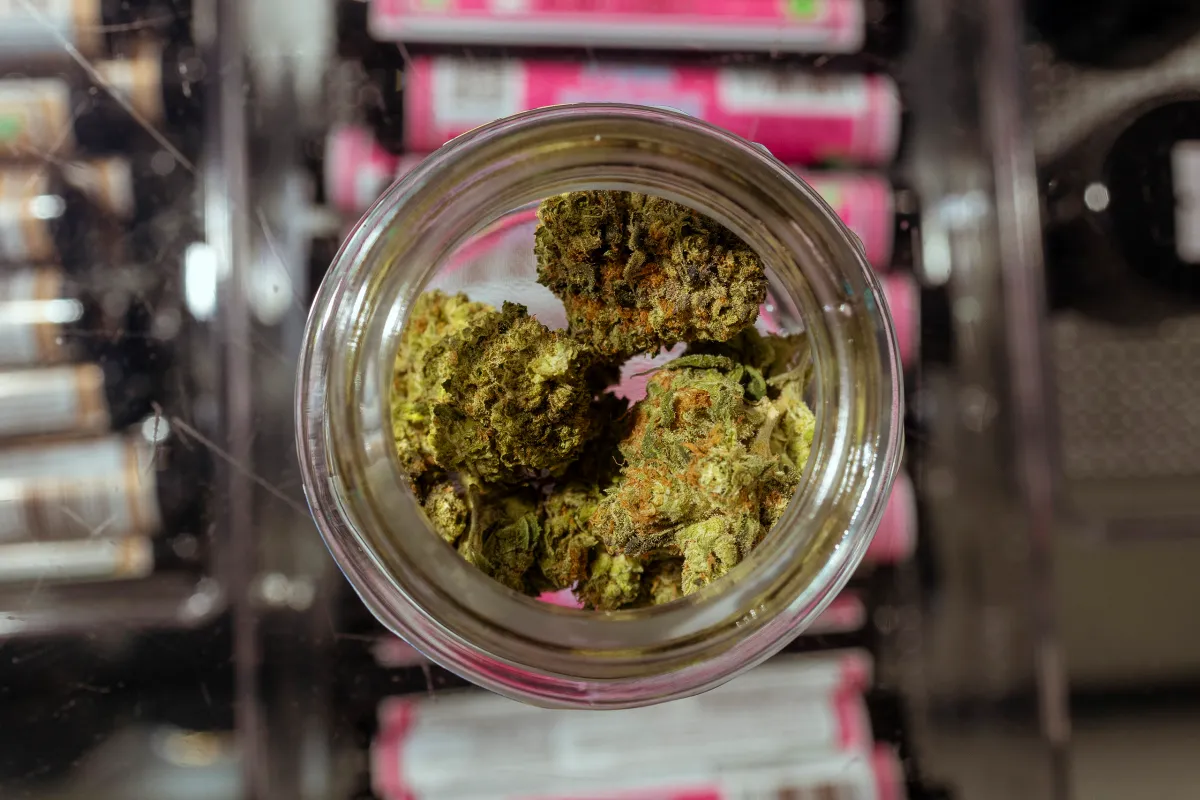
A Travis County district judge has temporarily lifted a statewide ban on the sale of natural smokeable hemp products, such as flower buds and rolled joints, until at least April 24.
Judge Maya Guerra Gamble granted the Texas Hemp Business Council, Hemp Industry & Farmers of America, and several Texas-based dispensaries and manufacturers a temporary restraining order against new testing requirements that creates 0.3% total THC threshold, effectively eliminating smokeable products. Lawyers for the hemp industry argued that the agencies have overstepped their constitutional authority by rewriting the statutory definitions of hemp established by lawmakers in 2019.
The concept of the new total THC testing came from the federal government, which clarified the definition of hemp in November as containing a total THC concentration of less than 0.3% on a dry weight basis rather than only delta-9 THC, according to Zachary Berg, an attorney with the Texas Attorney General’s Office who represented Texas Department of State Health Services and the Texas Health and Human Services Commission on Friday. Berg added that the federal government’s new definition doesn’t go into effect until November, but the state wanted to be in compliance early with federal law.
Jason Snell, one of the attorneys for the hemp businesses, said that by trying to mirror a federal law that isn’t yet in effect, the state clearly overstepped its regulatory authority. He also submitted to the court over 300 pages of testimony from Texans about how these new rules and regulations are already shuttering businesses and killing off the industry.
“The wave is getting bigger,” Snell said. “We are asking you to put up a barrier.”
The hemp businesses also asked for a temporary injunction on other rules that increase licensing fees for retailers and manufacturers and prevent businesses from selling smokeable hemp out-of-state. Guerra Gamble also temporarily unblocked interstate sales, but she deferred the topic of licensing fees to the next hearing on April 24.
The background: Even though Texas law bans marijuana, lawmakers legalized hemp in 2019. State law defines hemp as containing less than 0.3% levels of intoxicating Delta-9 THC.
To get around the law’s Delta-9 THC restrictions, manufacturers started cultivating hemp plants with another type of THC, called THCA, that, when ignited in a joint or smokeable product, can produce a high. Many lawmakers have said this legal loophole has allowed a recreational THC market to appear overnight without direct approval from the state.
Last year, the Texas Legislature voted to ban the products out of fear that these intoxicating products were consistently getting into the hands of children. But, Gov. Greg Abbott vetoed the decision last summer, before asking the Texas Alcoholic Beverage Commission and DSHS to increase regulations on the industry instead.
The Texas Department of State Health Services released regulations on consumable hemp-derived THC products that went into effect on March 31. These new regulations include child-resistant packaging, a significant increase in licensing fees, new labeling, testing, and bookkeeping requirements. The rules also codify the legal purchasing age to 21, which went into effect last year as an emergency directive.
Why the hemp industry sued: Also under the new rules, laboratories tests now measure the total amount of any THC in a product. If the THC levels exceed the 0.3% threshold, even if it’s only activated upon being smoked, the product will be noncompliant under state regulations. As a result, some of the most popular hemp products, like THCA flower and pre-rolled joints, have been banned.
Hemp businesses caught selling noncompliant products face a range of penalties and fines, including license revocation and up to $10,000 in violation fees for each day these products were sold in stores.
"An administrative agency may not substitute its own policy judgment for the outcome produced by the constitutional lawmaking process,” the lawsuit states. “The Texas Constitution vests legislative power in the Legislature, not administrative agencies."
Retailers cannot sell hemp to out-of-state customers either.
The rules also increase licensing fees for manufacturers of hemp-derived THC from $258 to $10,000 per facility and retail registrations from $155 to $5,000, which industry leaders say will fulfill the ban by forcing businesses to close. The hemp business community’s lawsuit is not challenging the other new regulations, including the age verification or ones they say protect consumers.
“Texas hemp businesses wholeheartedly support those regulations, as they fall within the agency's authority,” said Sergi. “We are seeking to halt rules that would effectively end the in-state production of hemp and the sale of hemp products—items the Legislature chose not to ban during recent legislative and special sessions.”
What the state says: Concerns about the safety of these high-THC products among youth led lawmakers to attempt to ban hemp-derived THC products outright last year. While the overall ban didn’t succeed, lawmakers successfully banned vape pens containing THC and other hemp-derived intoxicating chemicals.
Data provided from the Texas Poison Center Network confirms a sharp increase in cannabis-related poisoning calls starting in 2019, a year after hemp-derived THC was legalized by the federal government, from 923 to a 10-year high of 2,592 in 2024. Calls climbed to 2,669 last year. The majority of these calls involve suspected poisoning of children under the age of five and teenagers.
Drug policy experts said these numbers seem alarming, but it is natural for poisoning calls to increase when a drug has become legalized, and the data needs additional context before making conclusions from it.
Jennifer Ruffcorn, spokesperson for HHSC, directed questions about the lawsuit and what it means for the new hemp regulations to DSHS.
Lara Anton, spokesperson for DSHS, declined to comment on pending litigation.
What’s next: The hemp industry’s battle to stay alive in Texas started back in 2021 when the state health agency classified any amount of a natural intoxicating hemp compound called delta-8 THC as illegal. The hemp industry sued the state over its ban on delta-8 and the Texas Supreme Court is expected to consider the case this year.
The delta-8 lawsuit will have an impact on the outcome of the most recent lawsuit over the smokeable hemp ban because both lawsuits challenge the authority of a state health agency to make changes to the market without approval from lawmakers or the public.
This article first appeared on The Texas Tribune.
