New report says screen time limits for children are no longer enough
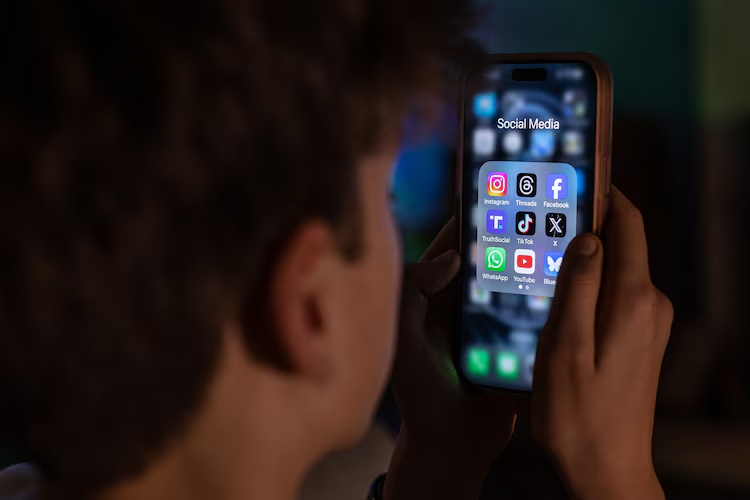

The guidance was released by the American Academy of Pediatrics.
January 19, 2026, 10:22 PM
Children are growing up in an increasingly digital world that affects sleep, learning and mental health, making screen-time limits alone no longer enough, according to new guidance from the American Academy of Pediatrics.
Covering hundreds of studies on digital media and health effects over the last 20 years, the review’s findings mark a departure from previous thoughts on screen use. It was published alongside new recommendations to help guide families, physicians, internet companies and policymakers on creating a safer online world for kids.
“Over the last decade, the science of media has evolved, and simply taking devices away or enforcing rigid rules can backfire for parents,” Dr. Tiffany Munzer, a pediatric behavioral specialist at the University of Michigan Hospital, told ABC News. “We now understand there are specific design features of digital media — some that promote positive benefits, and others that are highly engagement-based that can overtake healthier activity."
Increased screen time linked to aggression, anxiety, low self-esteem in kids, study finds
While the guidelines don’t dismiss concerns about heavy screen use, they warn that enforcing time limits alone fails to address the influence of powerful platform designs built to drive engagement.
“Screen time alone doesn’t tell the whole story anymore,” Dr. Hansa Bhargava, a pediatrician and AAP spokesperson on social media use, told ABC News. “Today’s digital world isn’t just TV — it’s an immersive ecosystem designed to keep kids engaged as long as possible.”
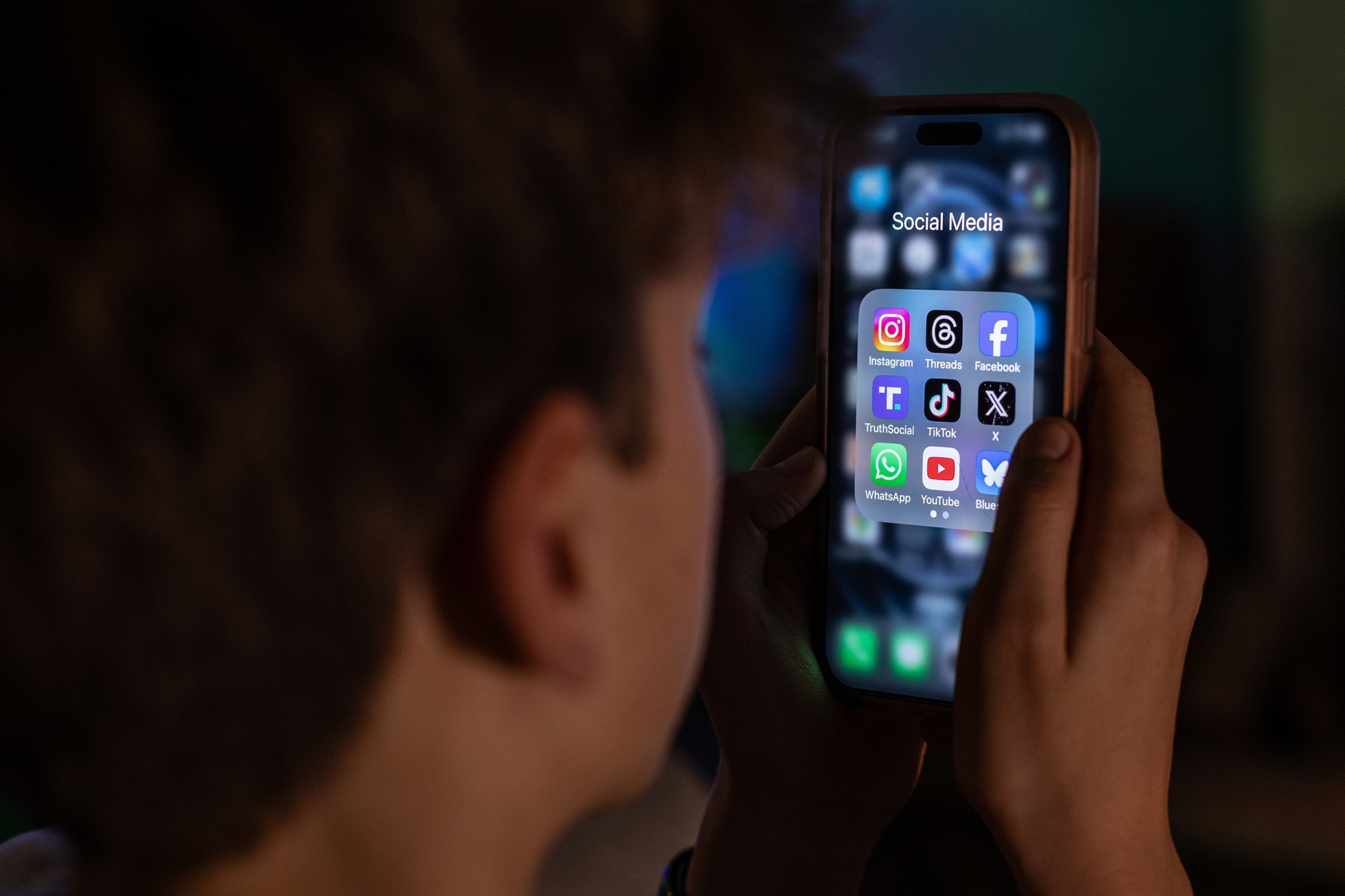
That ecosystem includes social media, video games, apps and algorithm-driven feeds built around autoplay, notifications, and targeted content, Bhargava said.
For years, parents have been pressured to monitor their children’s screen time within unrealistic standards without addressing why a child was drawn to a particular site or how it ultimately affected them, the report said.
Parents get creative when it comes to screen time, kids and the holidays
For example, low-quality digital use, including mindless scrolling, autoplay videos, frequent notifications and algorithms that push extreme or harmful material, can be highly stimulating but may lead to poor sleep, attention difficulties, academic challenges, and emotional regulation problems.
High-quality content, on the other hand, can enrich a developing mind, the report said, pointing out that some educational, creative, and social platforms avoid manipulative design features and prioritize privacy.
The new guidelines offer parents advice for effectively managing a child’s digital use, including being more selective about which sites to visit.
Ideally, a child can use a site with a caregiver, which can offer a window into how they think and feel, Munzer said.
Bhargava agreed, saying, “Watching a movie together and then talking about what you’re seeing, I don’t really think of as screen time -- It’s together time”
But the report and recommendations also called for technology companies and policymakers to do their part.
“Families have always carried the burden of managing screen time, but so much of this is out of their hands,” Munzer pointed out. “There are powerful systemic factors shaping children’s digital experiences — and that’s exactly why the responsibility has to be shared.”
Companies and policies should play a larger role in creating solutions, Munzer stressed.
Kids and teens who sleep less and use screens more may face higher heart risks: Study
Limiting targeted advertising to minors, strengthening privacy protections and improving age verification are concrete steps lawmakers can take to ensure children have a healthier online experience, the report offered. Increasing transparency about how algorithms make their recommendations and holding digital platforms to stricter safety standards similar to those used for toys, cars or food, would also help.
“We created safety rules for playgrounds once we realized kids were getting hurt,” Munzer said, adding that in the digital world, we have yet to build the same safety standards.
The report also recommended making a greater investment in public resources that give families real alternatives to screens, including libraries, parks, after-school programs, childcare, and community spaces, the report said.
“When kids have safe places to play, learn, and connect offline, screens stop filling that gap,” Bhargava said. “We need to make sure kids are getting the fundamentals — sleep, nutrition, exercise, and communication with their parents. If those pieces are in place, screens don’t have the same power.”
Tyler Beauchamp, MD, is a pediatric resident at UNC Children’s Hospital and a member of the ABC News Medical Unit.
