Digging out: 6 things homeowners should do right after a blizzard

Creative.Buffalo // Shutterstock
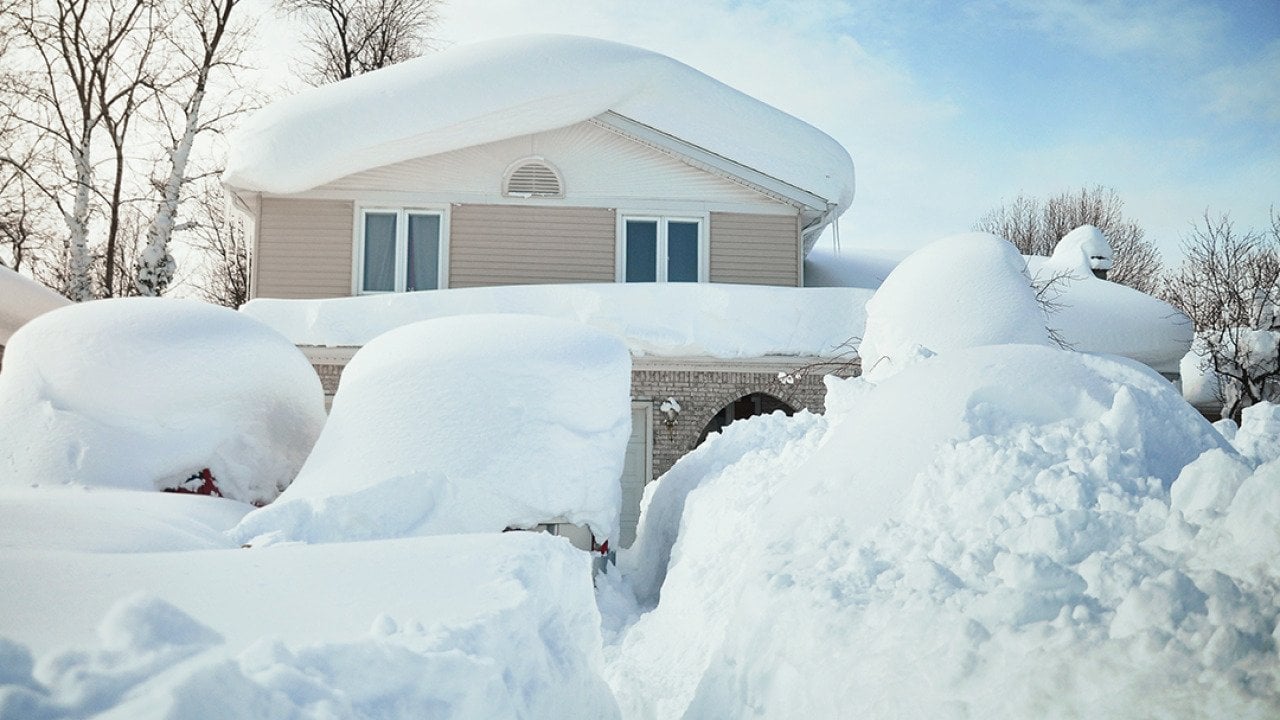
A massive snowfall that blankets the world in white and cancels everything for a day (or a few) can be magical — especially for kids. But for homeowners, snowstorms can be stressful. That stress doesn’t end when the snowfall stops — and not just due to the thought of having to clear all that snow.
Hopefully, you safely endured the massive snowstorms that whipped across the U.S. in recent weeks, freezing cities in their tracks as they went. HomeServe shares six important steps to make sure your home weathered the storm, too.
What to Do After a Blizzard: Some Steps to Consider
The first thing you’ll probably want to do after a major storm is rush out to survey the damage and restock supplies. These can be good steps to take in the wake of an arctic blast, polar vortex or bomb cyclone, as long as you’re also taking necessary precautions. Here are a few more things you’ll want to do after a snowstorm passes.
Check Your Detectors
Check your carbon monoxide and smoke detectors. This is especially important if you’ve lost power due to the winter weather. Using generators, gas, logs or other heat sources to heat your home can create safety issues such as excessive carbon monoxide or smoke. The use of candles and other open flames during and after power outages also increases the risk of fire.
Heavy snow can cover outdoor furnace exhaust vents, which could cause dangerous gases to back up into your house, increasing the risk of carbon monoxide poisoning. If it is safe to go outside, ensure these are clear of snow and ice.
Inspect the Plumbing
When blizzards blow through, they can bring extremely cold temperatures. So, hopefully, you left your faucet dripping to prevent frozen pipes. But if you didn’t, look high and low for broken pipes and other plumbing issues. Severe cold weather can wreak havoc on plumbing, leading to burst or cracked pipes. Check interior areas as you run water to ensure nothing is leaking. When it’s safe to do so, go outside and uncover external pipes to do the same. Also, make sure to check appliances, hoses and vent pipes. In extreme cases, the water inside appliances like washing machines can freeze.
If you discover any issues, turn off your water at the main shutoff and contact a professional to help you address the problem.
Look for Roof Damage
Eyeball your roof safely from the ground to avoid injuring yourself in what are likely to be icy or otherwise slick conditions. Walk around your house and inspect the roof and gutters from below, or put your smartphone on a selfie stick while recording a video to see the hidden areas. Heavy snowfall and winds during blizzards can damage roofs, causing leaks and even collapses. If you suspect a leak or other damage, contact a roof repair company promptly.
Check for Other Exterior Damage
Look for downed trees, damaged siding and broken windows. In some instances, you may need help removing the trees or fixing the damage they caused. But as these services may be delayed due to increased demand by other homeowners in your same predicament, address what you can on your own. For example, you may be able to safely cover a broken window with plywood to keep winter winds and moisture from entering your home. Check your vehicles for damage, too.
Monitor Local News
Watch TV, listen to the radio and check in on social media to find out important information about your area. Downed trees and power lines may be reported, as will closed roads, businesses and schools. Be sure to let loved ones know you’re safe once the storm has passed.
Call Your Insurance Company
As soon as you know there may be damage to your home or vehicle, call your insurance company to report the claim and find out how to proceed. You’re probably not the only one with issues, so getting in line as soon as possible is advisable.
Post-Blizzard Safety Tips
Unless you have a snowblower (or have hired someone who does), you’re probably stuck digging yourself out manually. Bear in mind that shoveling snow is a major cardio workout — one most people simply aren’t conditioned for. You may not have another choice when you’re faced with drifts on your driveway that are several feet high, but be aware that intense snow shoveling can actually increase heart attack risk.
When possible, wait for plows to clear snow. If you’re shoveling your porch, driveway or sidewalks, pay attention to how your body feels and take plenty of breaks. Consider sharing the job with someone else if possible.
Other safety tips to follow after blizzards include:
- Survey any area before walking or working in it. Make sure there are no downed power lines or other hazards.
- Dress for the weather. If it’s below freezing, wear appropriate clothing along with gloves and hats. This will help your body conserve heat and will also reduce the risk of exposure issues.
- Stay on top of personal needs, like medications. If at all possible, make sure you have extras of necessary supplies on hand before a blizzard starts. If you can’t do that, start working to address your needs as quickly as possible after the blizzard, as it may take longer than normal to get what you need.
- Learn how your local area responds to winter weather. In warmer climes, a freak snowstorm can overwhelm local services, but in colder places, a couple of feet of snow may not even be worth worrying about. Regardless of where you live, ensuring you’re prepared for extreme weather events should be part of your winter home maintenance routine.
Being Prepared for Winter Weather
Being prepared for winter weather is the first step in blizzard safety. Before winter begins, consider having a professional check your heating system to ensure it’s running properly and safely. Consult with a plumber about what you can do to protect your pipes when things get icy.
This story was produced by HomeServe and reviewed and distributed by Stacker.

