Exclusive: Frustration mounts at Justice Department as it races to redact some Epstein files, sources say

By Katelyn Polantz, Evan Perez, CNN
(CNN) — Frustration is mounting inside the Justice Department as it races to redact thousands of pages of files related to Jeffrey Epstein before they must be released Friday, multiple sources familiar with the process told CNN.
A substantial number of redactions are needed, one of the sources said, and the documents each attorney is processing since Thanksgiving week can number more than 1,000 — a time-consuming task that likely will come down to the wire. The sensitivities of executive and legal privacy, victims’ protections and other concerns all could play in to the choices the lawyers must make when it comes to potential redactions.
Lawyers working on the Epstein files at the DOJ’s National Security Division also believe they aren’t getting clear or comprehensive direction on how to make the most information available under the law, several sources said.
Counterintelligence specialists were asked to drop nearly all of their other work to process the Epstein documents, two people said, but some lawyers declined to participate.
An act of Congress has mandated the Trump administration release troves of Epstein-related documents — from grand jury records, to FBI files and internal Justice Department discussions — by Friday, after months of the Trump administration promising and not delivering transparency.
The situation suggests that the persistent political headache connected to transparency for the Epstein files may not disappear with Friday’s deadline.
In whatever becomes public on Friday, sources said there will still be extensive amounts of information redacted — the type of lack of transparency that the American public may continue to scrutinize.
Some legal document specialists are already preparing for the possibility that the Department of Justice’s release of the files will have more redactions than what is required, and that there may be mistakes in what’s redacted and what’s made public. Mistakes especially could relate to the disclosure of sensitive personal information, because of the volume of documents and how fast the lawyers have had to work, the sources said.
“Either they’re going to screw it up or they’re going to withhold things. It wouldn’t surprise me,” said one lawyer outside the Justice Department who is awaiting the release to determine whether there should be complaints made about how the redaction work was done. “Some of it may be incompetence as much as deliberate.”
A challenging task
The Epstein files are vast, and thousands of records held by different sections of federal law enforcement have to be picked through to determine whether they are responsive to the transparency law’s requirements or need to be redacted because of various confidentiality rules and to protect Epstein’s victims.
There are only four pages the lawyers have been given as internal guidance to follow to make the redactions, one of the sources said. And nearly all of the guidelines the lawyers have received articulate exemptions to the transparency law.
There are also logistical headaches in the work. Duplicates in what the lawyers are working through haven’t been taken out of the cache, one source told CNN. That creates more of a possibility there may not be consistent redactions across the documents or that redactions may be done incorrectly in spots. Plus it adds hundreds of pages more for lawyers to process than what they normally would have to handle if the duplicates were taken out.
The Justice Department has flubbed redactions in a massive document production already this year. When the National Security Division worked on releasing 60,000 pages related to the Kennedy assassination earlier this year, in another drop-everything task with a deadline, social security numbers and other private information of more than 400 former congressional staffers and others were mistakenly made public, according to the Washington Post.
The stakes are high for women who suffered abuse under Epstein.
Some Epstein victims have said they feel as if they’re in the dark on how the files are being prepared for the release, according to CNN reporting earlier this week. The Epstein survivors who spoke recently told CNN that they had gotten no outreach from the DOJ ahead of the files’ release.
A Justice Department spokesperson declined to comment for this article.
Who’s doing the redacting
The Justice Department’s National Security Division inherited the redaction work from the FBI after the law was passed for transparency on the Epstein files.
It’s surprising to many national security law specialists that that’s who’s doing the work, given the division’s historical emphasis on classified matters and the lack of a nexus between Epstein and national security interests.
Several sources said, however, that’s where the manpower is at the Justice Department this year.
The latest round of Epstein redaction work started in fervor over Thanksgiving, shortly after Congress passed the transparency act.
The FBI had previously done a similar push on redactions earlier in the Trump administration. During that effort, in response to an over-promising of transparency by Attorney General Pam Bondi that the department didn’t deliver, agents worked around the clock, some in overnight shifts that supplanted other threat investigations the FBI was working on.
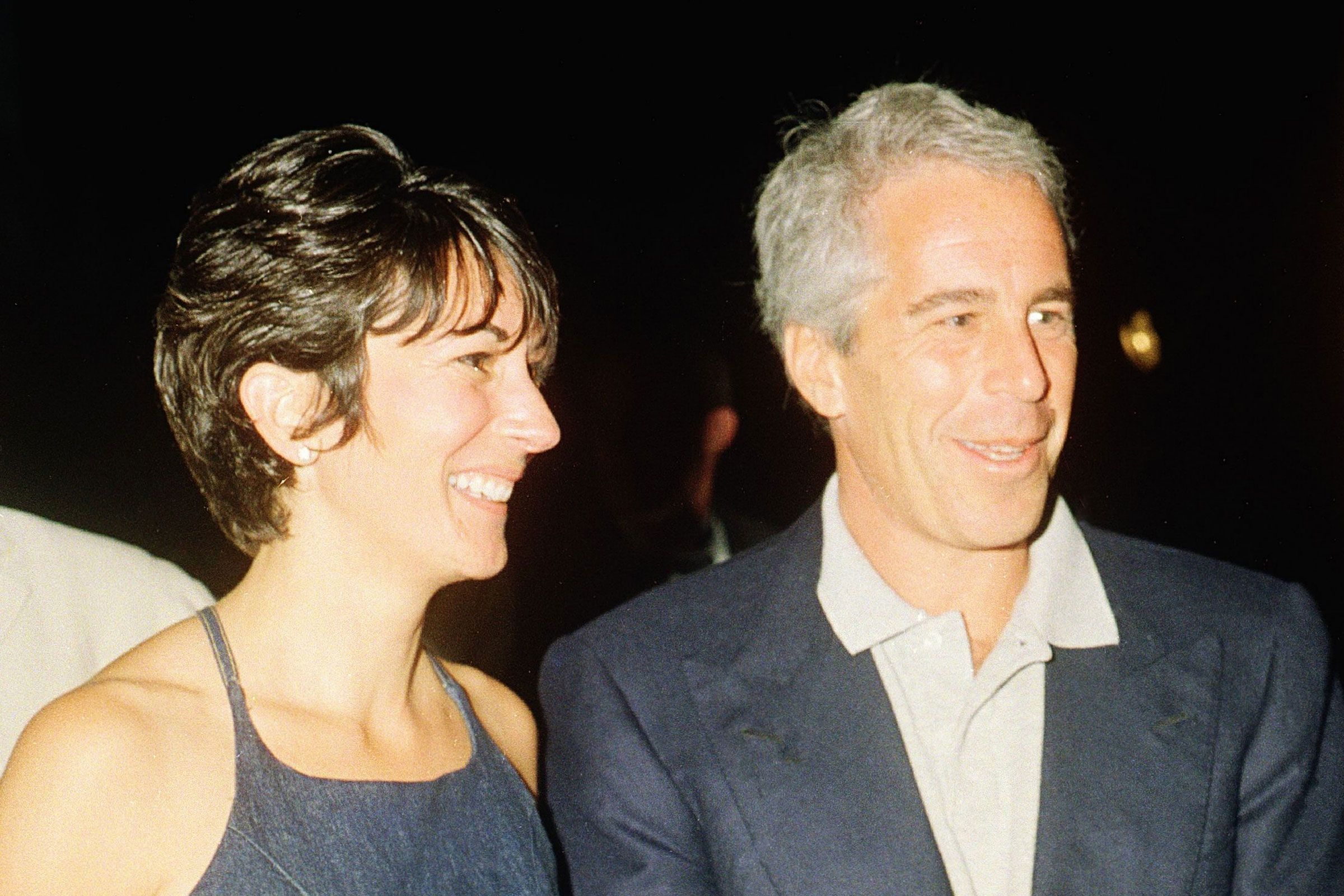
The national security lawyers aren’t among the Justice Department division that classically handles document processing, or even sex crimes or conspiracies, as had been alleged of the late Epstein and his convicted paramour Ghislaine Maxwell. A different part of the Justice Department where lawyers handle Freedom of Information Act requests are more typically tasked to handle document redaction projects, especially before this Trump administration. The national security section also isn’t the office that investigated Epstein years ago – another group that could weigh in on the files and transparency.
Still, the national security division has previously handled substantial redaction projects this year for topics that aren’t core to their legal work – including those related to releases of the Martin Luther King Jr. and John F. Kennedy assassination historical files.
While the National Security Division has been gutted during this Trump administration, it’s still many dozens of lawyers strong. Those lawyers are experienced in working with sensitive data, with extensive, elaborate redaction needs.
CNN’s Casey Gannon and MJ Lee contributed to this report.
The-CNN-Wire
™ & © 2025 Cable News Network, Inc., a Warner Bros. Discovery Company. All rights reserved.
